
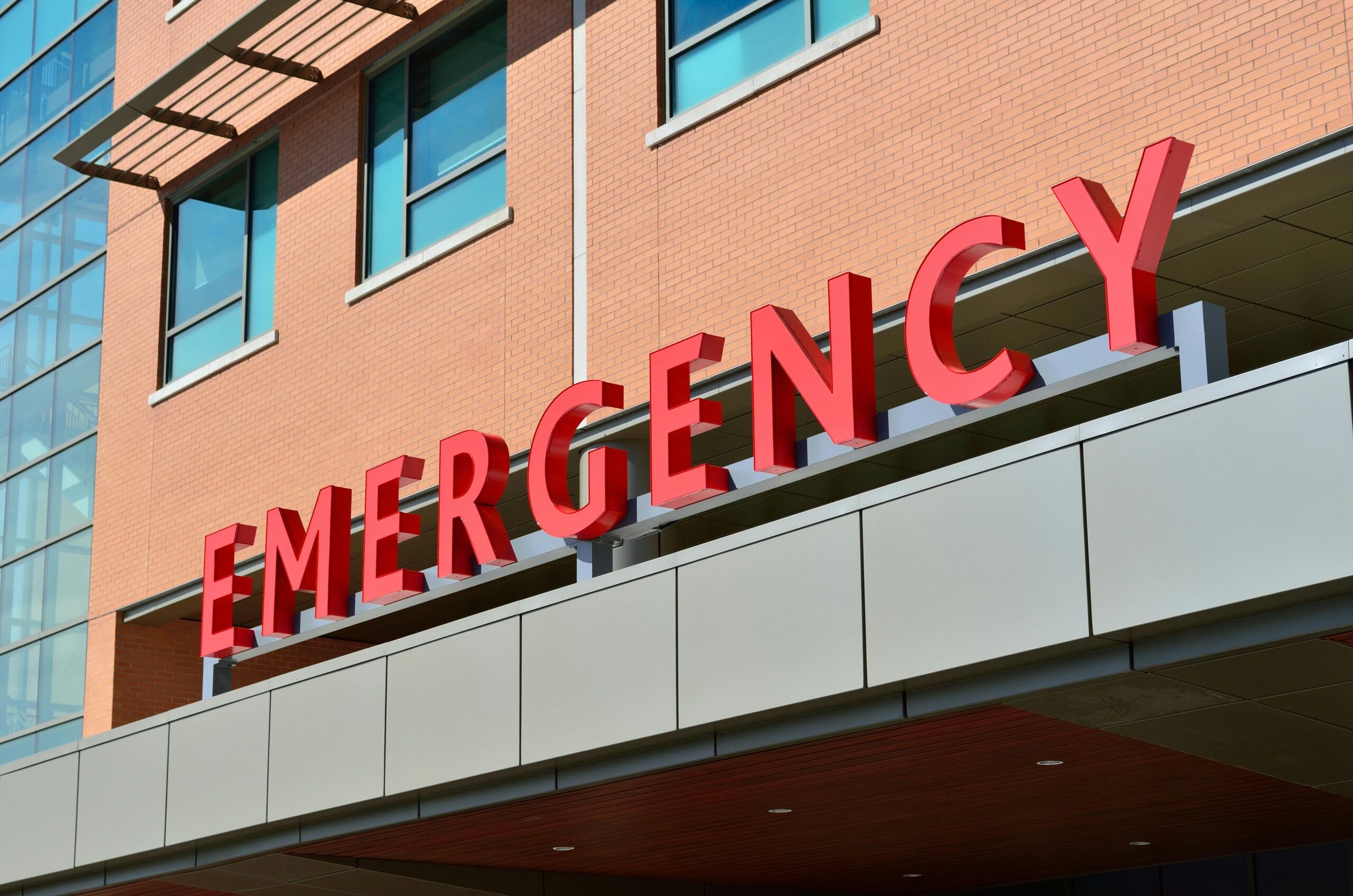
Unexpected illnesses and injuries disrupt daily routines and demand quick decision-making. An emergency clinic serves as a primary resource for immediate medical attention outside of a traditional hospital setting. These facilities bridge the gap between primary care doctors and emergency rooms. Patients access these locations for their convenience and the broad scope of care provided.
What Services Are Available?
Medical teams in an emergency clinic address diverse health concerns efficiently. Physicians and nurses handle acute ailments that arise suddenly but do not threaten life. Most locations feature on-site diagnostic equipment to speed up the evaluation process. Technicians perform X-rays and run lab tests on-site.
- Repair of lacerations and minor wounds
- Stabilization of sprains and strains
- Treatment for common infections like strep throat
- Relief for skin rashes and insect bites
- Physicals for school or sports participation
Providers stabilize patients and initiate healing with treatments such as wound care, splints, or breathing therapies, supported by stocked medications for immediate therapy. Administrative teams handle logistics, verify insurance, and clearly explain costs so patients understand the financial aspects. This seamless approach resolves many issues in one visit while reducing anxiety about billing.
How Are Emergencies Prioritized?
Front desk staff and nurses follow a standard triage protocol to assess incoming patients. Vital signs, such as heart rate and blood pressure, are measured immediately to identify those who need urgent care. A high fever or severe pain triggers a faster response compared to mild discomfort. This system makes sure that patients with the most significant needs are prioritized.
The process is dynamic, adapting to changes in the waiting room. Nurses reassess patients if wait times lengthen, and any decline in a patient’s condition triggers immediate action. Medical urgency, not order of arrival, dictates the flow of care. Staff explain this process to waiting patients to maintain order and understanding so that safety remains the top priority.
What Support Follows Treatment?
Recovery continues after the patient leaves the emergency clinic. Discharge papers provide specific instructions for home care and detail warning signs that require attention. Providers write these guides clearly so patients can follow them without confusion during the healing process for a smooth recovery.
Clinics also focus on maintaining continuity of care with the patient’s primary physician. Upon request, staff send the visit records to the patient’s regular doctor, confirming they are aware of any new diagnoses or medications prescribed. By sharing unified records, clinics prevent conflicting treatments and support better long-term health outcomes.
In some cases, patients may need to see a specialist or undergo further testing. The clinic arranges referrals to experts such as orthopedists and dermatologists, making the process seamless. By coordinating appointments, the staff helps patients gain quick access to advanced care and guides them through the next steps in the healthcare system efficiently.
Visit an Emergency Clinic
Prompt medical attention addresses symptoms and prevents complications. An emergency clinic provides the necessary resources for many urgent health situations. Community members benefit from understanding these services before a crisis occurs. Trust these professionals to handle urgent care needs with skill. Locate the nearest facility now to establish a plan for future medical needs.