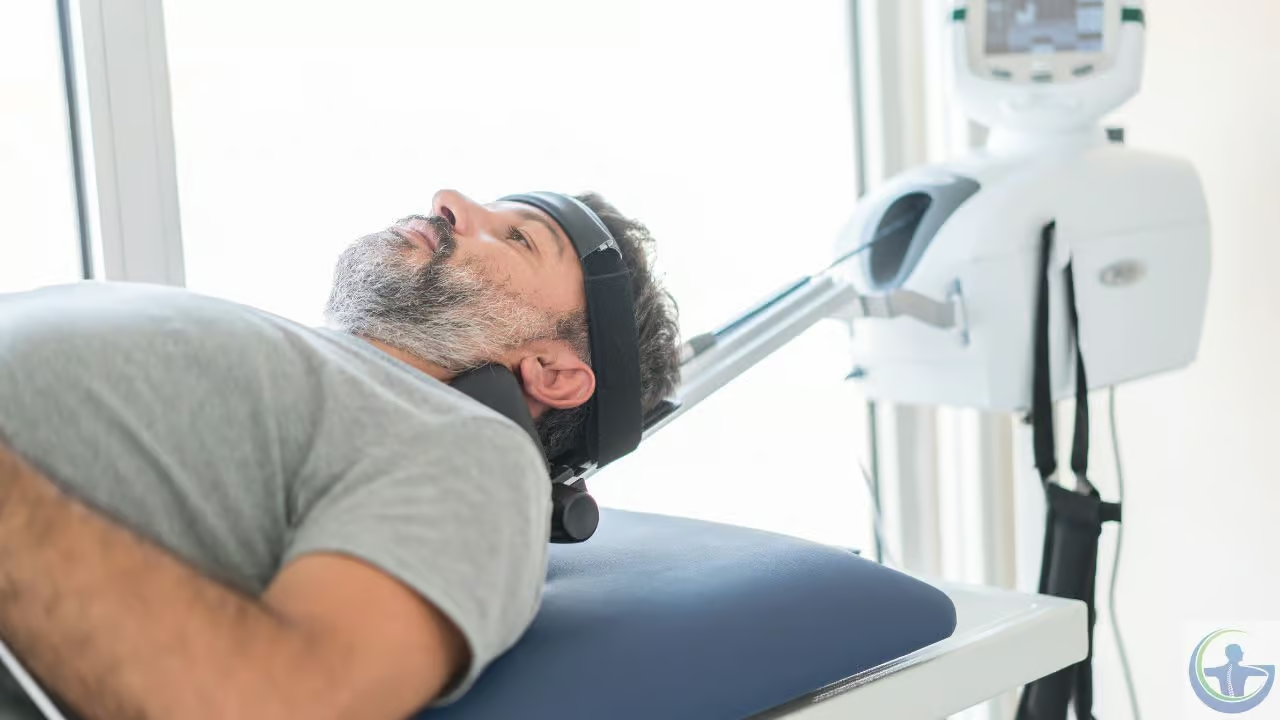

Spinal discs wear down over time, and while this wear and tear is a normal part of aging, it may cause pain that interferes with daily life. Degenerative disc disease refers to symptoms of back or neck pain caused by this natural deterioration. While it is called a disease, it is a condition that describes the natural breakdown of an intervertebral disc of the spine. Here is more information about this disease and how it is treated and managed:
Understanding the Condition
Degenerative disc disease is one of the most common causes of low back and neck pain in adults. Spinal discs act as shock absorbers between the vertebrae, or bones of the spine, and these discs allow you to stand up straight and move freely. As you age, your spinal discs break down or degenerate, which results in degenerative disc disease in some people.
These changes include a loss of fluid in the discs, which makes them less flexible and thinner. Tiny tears or cracks can form in the outer layer of the disc. The soft, jelly-like material inside the disc may be forced out through the tears or cracks, and this causes the disc to bulge, break open, or fragment.
Recognizing the Symptoms
Symptoms vary among individuals. Some people with the condition feel no pain at all, or they may experience severe, disabling pain. The pain is usually located in the lower back or neck, depending on which discs are affected.
Common signs include:
- Pain that worsens when sitting, bending, lifting, or twisting.
- Periods of severe pain that come and go, lasting from a few days to a few months.
- Numbness and tingling in your extremities.
- Weakness in your leg muscles, which may signal nerve damage.
- Pain that feels better when walking or moving, rather than staying in one position for too long.
- Relief when changing positions or lying down.
If the damaged disc is in the neck, you may feel pain in your neck or arm. If the damaged disc is in the lower back, you may feel pain in your back, buttocks, or legs.
Managing the Symptoms
Self-care measures can be effective for relieving pain. Modifying your activities is one step that may prevent pain. This potentially means avoiding heavy lifting or sports that require twisting the back; applying ice or heat can also help reduce soreness and inflammation.
Exercise and physical therapy are other components of treatment. A physical therapist can teach you exercises to strengthen the muscles of your back and abdomen; stronger muscles support the spine and take pressure off the discs. Stretching exercises can improve flexibility, which also helps the back move more easily.
Treating the Condition
Doctors typically start with non-surgical treatments before they prescribe anything more advanced. Medications like nonsteroidal anti-inflammatory drugs, or NSAIDs, can help relieve pain and reduce swelling. In some cases, stronger pain relievers may be prescribed for short periods, and muscle relaxants are also a short-term solution.
If oral medications and physical therapy do not provide relief, epidural steroid injections may be suggested. This involves injecting a steroid medication around the protective covering of the spinal nerve, and this can help to reduce inflammation and pain. Surgery is usually an option only when non-surgical treatments fail.
Surgical options include:
- Discectomy: Removal of the damaged part of the disc to relieve pressure on nerves.
- Spinal fusion: Connecting two or more vertebrae together to stop painful motion.
- Artificial disc replacement: Replacing the damaged disc with an artificial one to maintain motion.
Treat Degenerative Disc Disease
Degenerative disc disease is a natural part of aging for many, but it can be managed and treated. By working with a healthcare professional, you can find a treatment plan that may help you stay active. To learn more about degenerative disc disease, consult a spine specialist near you.