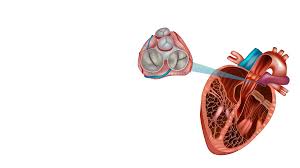

Cardiology focuses on diagnosing, treating, and preventing diseases and disorders of the heart and blood vessels. This field of medicine manages the body’s circulatory system, which includes the heart, arteries, and veins. Here’s information on heart conditions and how they are diagnosed and treated by cardiology specialists:
How Are Heart Conditions Diagnosed?
Cardiologists are specialized physicians who handle a wide range of conditions, from congenital heart defects to acquired heart problems like coronary artery disease. Diagnosing a heart condition involves a systematic process to accurately identify the specific issue affecting a patient’s cardiovascular system. This evaluation process allows physicians to develop an effective condition management plan. A cardiology diagnostic process begins with a thorough review of your medical history and a physical examination.
Cardiovascular Screenings
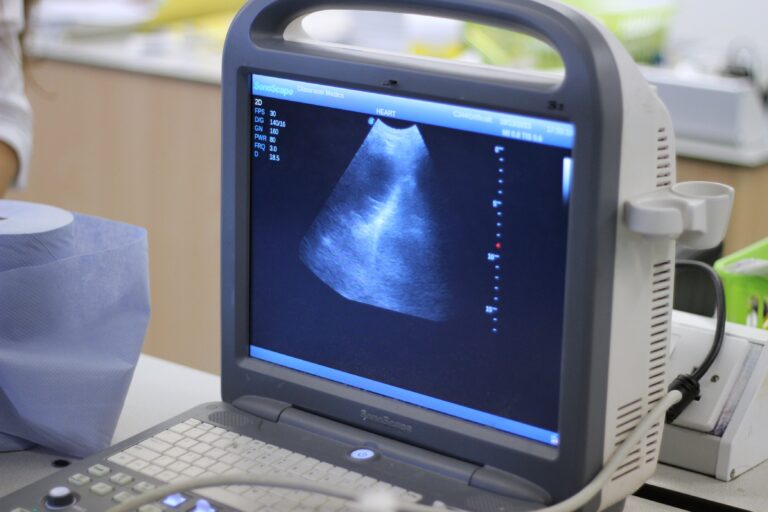
During this exam, a doctor will listen to your heart, check your blood pressure, and assess other vital signs. Based on these initial findings, further testing may be recommended. Common diagnostic tools include an electrocardiogram (ECG or EKG) to record the heart’s electrical activity, an echocardiogram to create images of the heart using sound waves, and stress tests to observe heart function during physical activity. Blood tests are also frequently used to check for markers of heart damage or risk factors like high cholesterol.
Heart Disease and Cardiovascular Disease
The terms heart disease and cardiovascular disease are often used interchangeably, but they have distinct medical meanings. Cardiovascular disease is a broad term that refers to all conditions affecting the heart and blood vessels throughout the body. Heart disease only pertains to problems with the heart itself. Heart disease includes conditions like coronary artery disease and arrhythmias, whereas cardiovascular disease also encompasses issues like stroke and peripheral artery disease, which affect blood vessels outside of the heart.
How Is Coronary Artery Disease Treated?
Coronary artery disease (CAD) develops when the major blood vessels that supply the heart with blood, oxygen, and nutrients become damaged or diseased. Plaque buildup in the arteries is a common cause, and it can lead to blockages. Treatment for CAD often involves lifestyle modifications, such as:
- Adopting a Heart-healthy Diet
- Increasing Physical Activity
- Quitting Smoking
Medications may also be prescribed to lower blood pressure, reduce cholesterol, or prevent blood clots. In more advanced cases, procedures like angioplasty to open blocked arteries or bypass surgery to create new pathways for blood flow may be necessary.
How Is Heart Failure Treated?
Heart failure occurs when the heart muscle doesn’t pump blood as well as it should. Treatment for this chronic condition focuses on managing symptoms and slowing its progression. Medications are a primary component of treatment, and they can help the heart function more efficiently and reduce fluid retention. Doctors may recommend lifestyle changes, including dietary salt restriction and regular exercise. For some individuals, implantable devices like pacemakers or defibrillators may help regulate their heart’s rhythm and function.
How Are Arrhythmias Treated?
Arrhythmias are irregular heartbeats that occur when the electrical impulses that coordinate heartbeats do not function properly. Some arrhythmias are harmless, but others may be serious, so treatment depends on the type and severity of the arrhythmia.
Lifestyle adjustments, like limiting caffeine and alcohol, may help manage symptoms for many individuals. Medications can be used to control the heart rate or restore a normal heart rhythm. For more persistent arrhythmias, other procedural recommendations may include:
- Cardioversion: This uses electrical shocks to reset the heart’s rhythm.
- Catheter Ablation: An ablation procedure targets and corrects the source of the irregular signal.
Schedule a Cardiology Appointment Today
Understanding your heart health can help you get effective healthcare management for your needs. If you experience symptoms like chest pain, shortness of breath, or an irregular heartbeat, contact a cardiology specialist for a heart evaluation. They diagnose heart diseases and create personalized treatment plans.