
Choosing the right optometrist can influence your vision health, so it helps to find someone who understands your needs. Look for a professional with both expertise and access to modern technology, as this supports comprehensive care. Focusing on a few key factors can simplify the process and guide you to quality care. Here are a few of the factors to look at when choosing the right optometrist for your eye care needs:
Evaluate Services
A comprehensive eye practice offers more than just basic vision tests, providing thorough exams that screen for diseases and address common eye conditions. Providers check for issues such as macular degeneration, glaucoma, and diabetic retinopathy. They are also used in managing everyday concerns like dry eyes or red eyes.
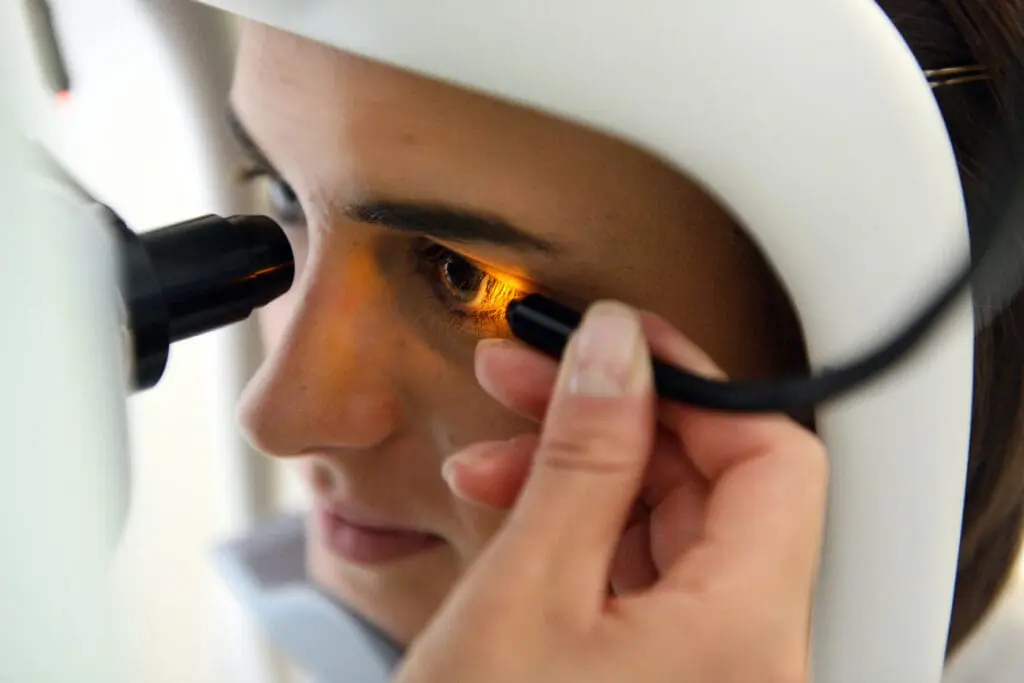
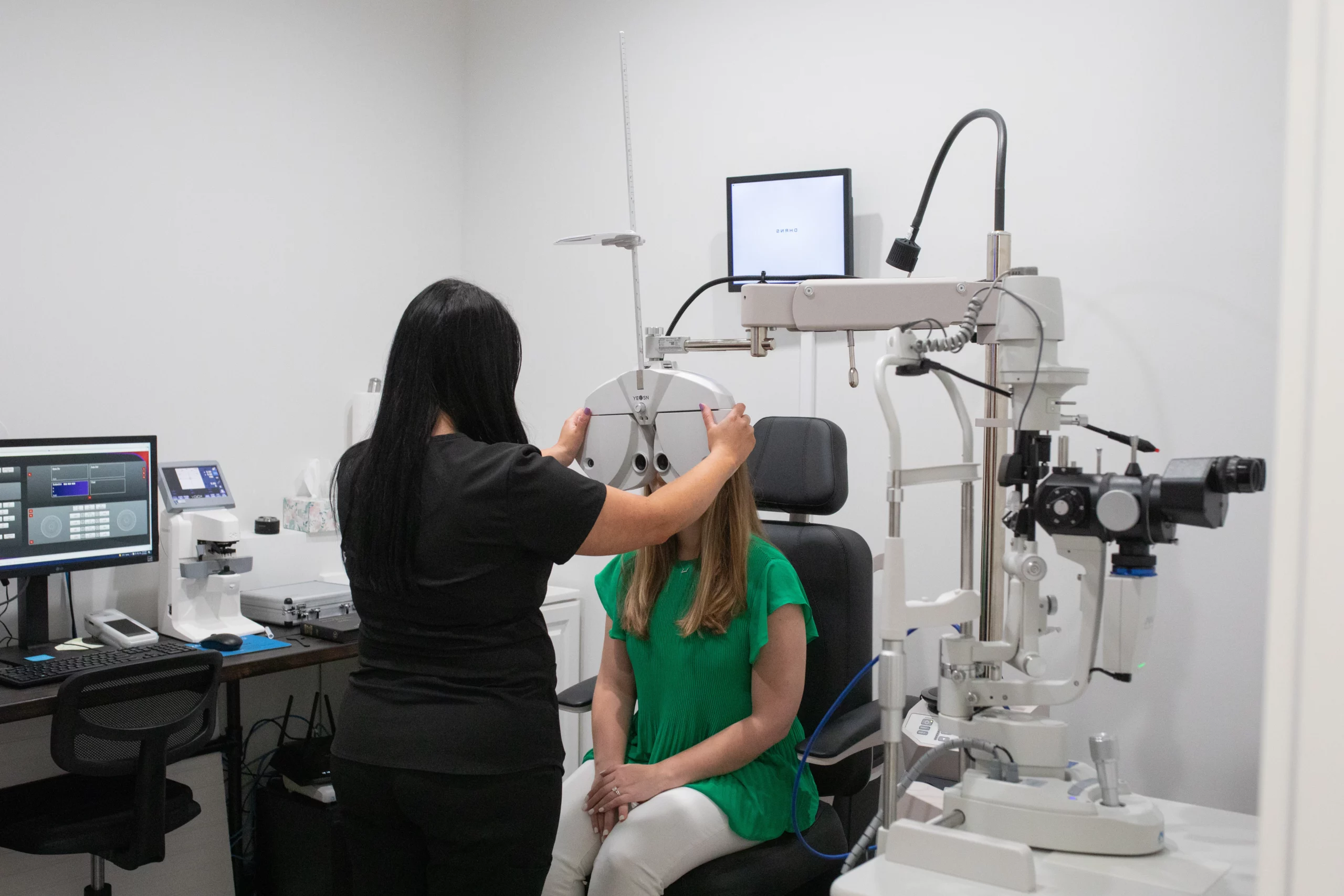
Modern optometry utilizes advanced diagnostic tools to enhance accuracy and facilitate early detection of eye diseases. State-of-the-art equipment enables providers to detect subtle vision changes, facilitating more effective treatment and prevention strategies. Inquiring about the technology used during exams can help you assess the quality of care provided.
Assess Communication
Your optometrist should explain findings clearly and avoid medical jargon that can confuse patients without proper context. A good practitioner takes the time to answer questions and discusses treatment options in terms you can understand, helping you better understand your eye health. Practices that respect your concerns and listen carefully create a more comfortable experience; translation services are also helpful when English is not your first language. Some offices provide translators for languages such as Bengali, Albanian, Tagalog, Spanish, and Russian.
Read Reviews
Reading about other patients’ experiences can offer helpful insight into a practice’s quality of care. Online reviews often provide valuable insights into wait times, staff professionalism, and overall communication. Instead of focusing on single comments, look for consistent patterns in the feedback. Multiple reviews that mention thorough exams or attentive service often reflect a provider’s commitment to quality care. Likewise, comments highlighting friendly staff or supportive management indicate a patient-centered approach that values comfort and respect.
The office environment also influences how comfortable you feel during visits. A clean, organized, and welcoming space communicates professionalism and a genuine care for the patient experience. Friendly staff who greet patients warmly and respond promptly to questions create a reassuring atmosphere. Paying attention to how the team interacts with patients can reveal how much they value communication and comfort. A positive setting helps reduce anxiety, making routine eye care a more pleasant and stress-free experience.
Specialized Treatments
Some optometry practices provide advanced treatment options for various eye conditions. Prokera supports corneal healing, while Intense Pulse Light therapy addresses certain surface issues. Blue light glasses can help reduce digital eye strain, and specialized contact lenses accommodate unique prescriptions. Discussing available options with your provider helps determine which treatments best support your vision health.
Partner with an optometrist
Some optometry practices offer advanced treatments tailored to specific vision needs. Options such as Prokera and Intense Pulse Light therapy address surface conditions and promote healing. Blue light glasses and specialty contact lenses can also improve comfort and visual performance. Talk with your eye care provider to explore which treatments best support your long-term vision health.