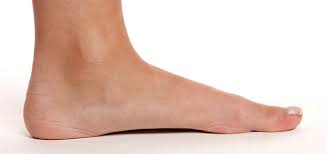
Having flat feet means your feet have little to no arch. When you stand, the entire sole of your foot touches the floor. For some people, flat feet develop in childhood when arches fail to form. For others, the condition appears later in life after an injury or from the simple wear and tear of aging. Here is more information about finding the proper footwear:
Shoe Inserts
Shoe inserts, also called orthotics, provide another layer of support inside your shoes. Many types are available over the counter. These inserts are designed to fit into most shoes after you remove the original insole. Depending on your needs, they come in various materials and levels of rigidity. People may find that a soft, flexible insert provides enough comfort for daily activities.
Others might need a more structured approach. A semi-rigid or rigid orthotic offers more definite arch support, and it helps control foot motion. You might try different styles to see what feels right. Offering a distinct function, these inserts can be made from materials like gel, foam, or rigid plastic.
Finding the right insert might take some trial and error. You place the insert into your shoe, so it can provide targeted support where you need it most. An insert works with the shoe to create a better environment for your foot, and a good fit is necessary for the insert to function properly.
Arch Support
Proper arch support is a key feature in footwear for flat feet, and it helps distribute pressure evenly across your foot. When a shoe has good arch support, it lifts the collapsed arch of a flat foot. Shoes with built-in arch support provide structure directly under the natural arch of your foot. This feature may be found in many types of shoes, from athletic sneakers to dress shoes.
Stability Features
Stability features in shoes help control foot motion. These elements are designed to keep your foot in a neutral position while you walk or run. Shoes with good stability prevent the foot from rolling inward, a typical issue for people with flat feet. Look for shoes with these features:
- A firm heel counter
- A wide, solid base
- Motion control technology
A firm heel counter cups the back of your heel, and it adds structure to the shoe. This feature reduces excess side-to-side movement. A supportive shoe provides a solid foundation.
Shoe Cushioning
Cushioning provides shock absorption and comfort. When you walk, your feet absorb the impact of the ground, so proper cushioning can reduce that force. The right amount of cushioning depends on your personal preference and activity level. Some people prefer a large amount of soft cushioning for a plush feel.
This cushioning is often made from foam or gel materials located in the midsole of the shoe. While cushioning adds comfort, it must be balanced with support. A shoe that is too soft might not provide enough stability for a flat foot. You need a shoe that cushions your step, supports your arch, and controls motion. This combination helps protect your feet, ankles, and knees from stress.
Get Treated for Flat Feet
Finding the right footwear is a practical step toward managing the discomfort associated with flat feet. By focusing on shoe inserts, arch support, stability, and cushioning, you can find shoes that work for you. If you continue to experience foot pain or discomfort, seeking professional advice is a good next step. Contact a clinic today to schedule an appointment and discuss your options.