Choosing the right cardiologist plays a key role in supporting your cardiovascular health and providing ongoing care. A specialist helps you navigate routine visits, and they develop long-term strategies for managing conditions like congestive heart failure. By focusing on logistics such as location, the scope of services, and available technologies, you set a solid foundation for managing your wellness. Here are several tips to help you identify a cardiology practice that works for you and your unique situation:
Assess the Location and Accessibility
The location of a cardiologist’s office determines how easily you can attend your appointments. Select a practice close to your home or workplace to streamline travel and minimize disruptions to your daily routine. Ask about their policies for prescription refills, handling non-urgent questions, or giving you access to your medical records. Some offices provide a secure online patient portal for increased convenience. This feature may allow you to send messages, review test results, and manage appointments. Communication methods that are clear and accessible are key to managing your health efficiently. These fundamental factors support a smoother visit, and they can help you maintain consistent cardiovascular care.
Review the Services Offered
Cardiology covers a wide range of specialties and focus areas, so review the services provided at your chosen practice. This will help you determine whether they match your health needs. Some cardiologists focus on general or preventive cardiology, managing overall heart health and risk reduction. Others offer comprehensive services that range from advanced diagnostic testing and imaging to specialized treatments for arrhythmias, heart failure, and structural heart conditions.
Choosing a practice that offers a variety of tests and treatments in one location can simplify your care, and it reduces the need for referrals to other specialists. This approach supports a more streamlined and effective management plan tailored to your specific needs. It can be beneficial if you have a known condition, such as:
- Hypertrophic cardiomyopathy
- Metabolic syndrome
- High cholesterol
- Coronary artery disease
- Atrial fibrillation
Ask About Tools and Technology
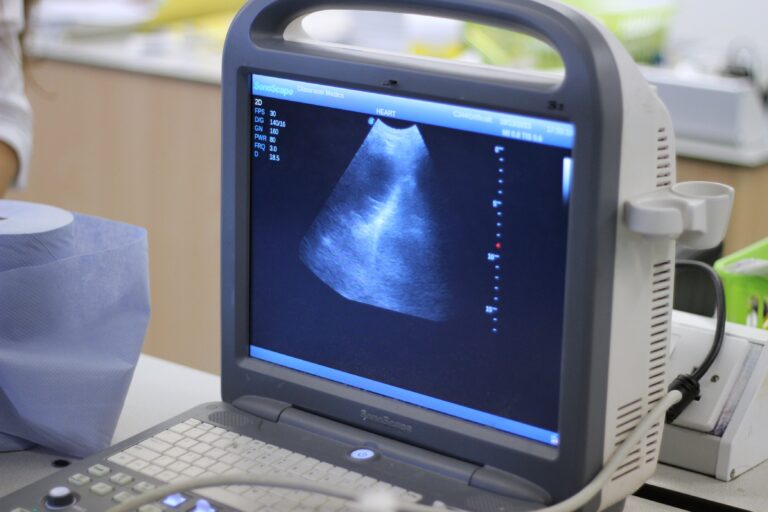
Modern technology plays a key part in diagnosing and monitoring heart conditions. Identify which diagnostic tools a cardiology practice offers on-site. In-house testing equipment can make your care more streamlined and efficient, and it allows your cardiologist to monitor your condition over time. Key diagnostic tools to contemplate include:
- Echocardiogram: This ultrasound test creates images of your heart. It allows the doctor to evaluate cardiac structures and functioning.
- Stress Testing: This test monitors your heart while you exercise on a treadmill or stationary bike. It helps show how your heart responds to physical activity.
- Electrocardiogram: This test evaluates the heart’s electrical activity. It may assist with diagnosing arrhythmias, conduction disorders, and evidence of prior myocardial injury.
Find an Experienced Cardiologist
Choosing a cardiologist involves assessing location and accessibility, reviewing available services, and contemplating the available tools and technology. Each step helps you identify a practice that fits your needs, whether you require routine heart check-ups or specialized care for arrhythmias. Cardiologists assist with many symptoms; this includes chest pain, shortness of breath, and syncope. If you’re experiencing concerning symptoms or looking to begin preventive cardiac care, contact an experienced specialist today.