
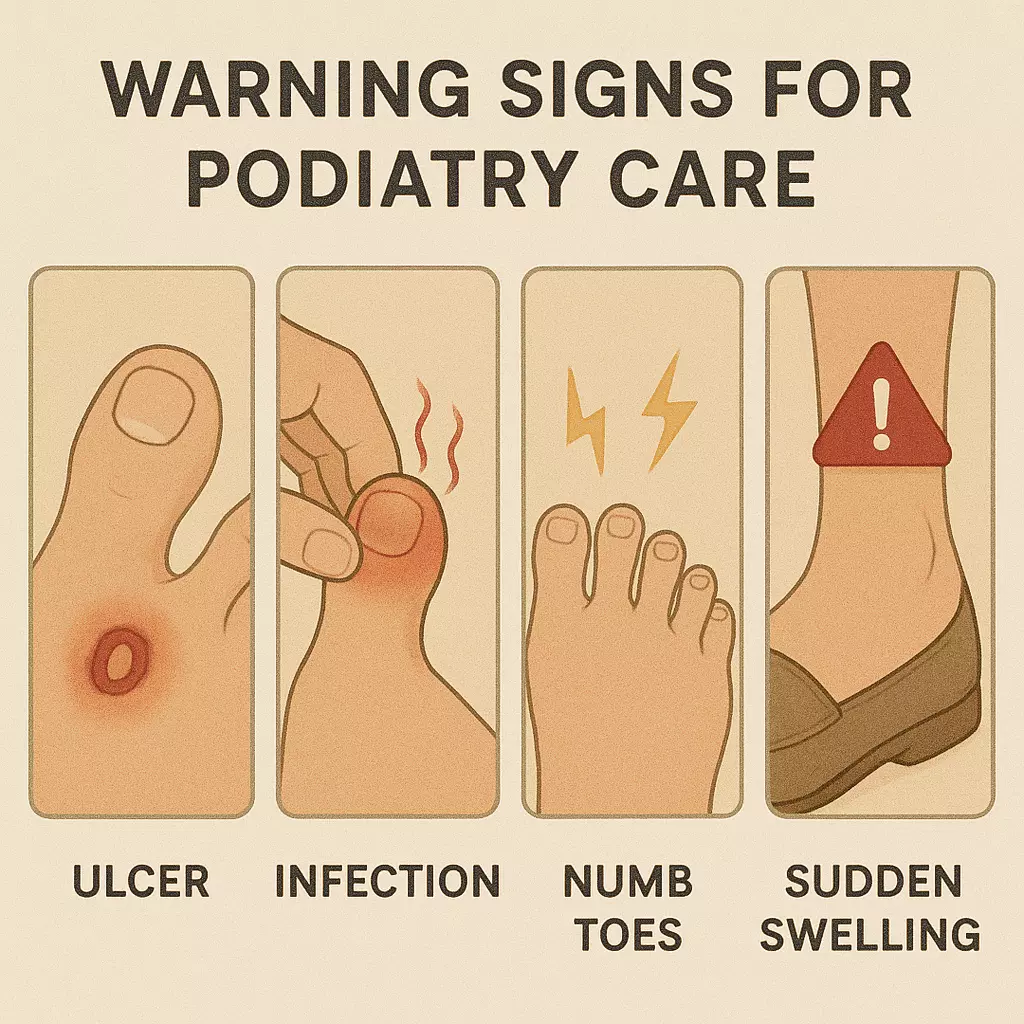
Proper wound care is a structured process to support the body’s natural healing capabilities. Managing a wound involves protecting it from infection while creating an environment that encourages tissue repair. After a surgical procedure or injury, following a clear set of steps helps maintain cleanliness and promotes recovery. Here is more information about helpful practices for effective wound management:
Follow Surgeon’s Advice
Following your surgeon’s instructions is the first step in your recovery plan. These directions are based on your procedure and health status. Your surgeon provides detailed guidance on activity levels, medications, and when to seek follow-up care, so you have a clear path forward. Following this advice is a primary component of managing your healing process correctly.
You may have questions after you leave the facility. Writing them down helps you remember what to ask during your next appointment. While the medical team is a resource for you, you need to communicate your concerns.
Your surgeon will specify what is normal for your type of wound. If needed, they will explain what signs might indicate a complication that requires attention. Understanding these signs helps you monitor your progress, and you will know when to contact your doctor.
Practice Good Hygiene
Good hygiene prevents dirt from entering the wound area. Handwashing is a basic yet powerful tool in wound care. Before touching your wound or its dressing, always wash your hands with soap and water. Clean hands reduce the risk of infection.
Keeping the area around the wound clean is also beneficial. You can gently wash skin with mild soap and water, but you must avoid getting the wound itself wet unless instructed. Pat the area dry with a clean towel; do not rub it. This simple routine helps maintain a clean environment for healing.
Change Dressings Regularly
Changing your wound dressing as directed is a key part of the care routine. A fresh dressing keeps the wound clean and protects it. Your healthcare provider will give you a schedule for dressing changes, which you must follow closely. If a dressing becomes wet or dirty, change it immediately to prevent complications.
When changing the dressing, have all your supplies ready. Your supply list may include:
- Sterile gloves
- Specific dressing types
- Medical tape
- Saline solution
Carefully remove the old dressing, and then clean the wound as you were shown. Apply the new dressing without touching the part that will be in direct contact with the wound.
Clean Wound Periodically
Cleaning of the wound itself removes debris and helps prevent infection. Use only the cleaning solution recommended by your doctor. Other substances may damage the new tissue that is forming. A cleaning plan may depend on the wound type and your provider’s instructions.
Gently flush the wound with the solution. You do not need to scrub the wound bed, as this action can affect healing tissue. Afterward, pat the skin dry with a fresh piece of gauze. The goal is to clean the area without causing additional damage, and this method accomplishes that.
Find Wound Care Services
Following your surgeon’s advice, practicing good hygiene, changing dressings, and cleaning the wound are all parts of a successful care plan. If you find the process challenging or have concerns about how your wound is healing, support is available. If you need assistance, contact a clinic to learn how to find support.