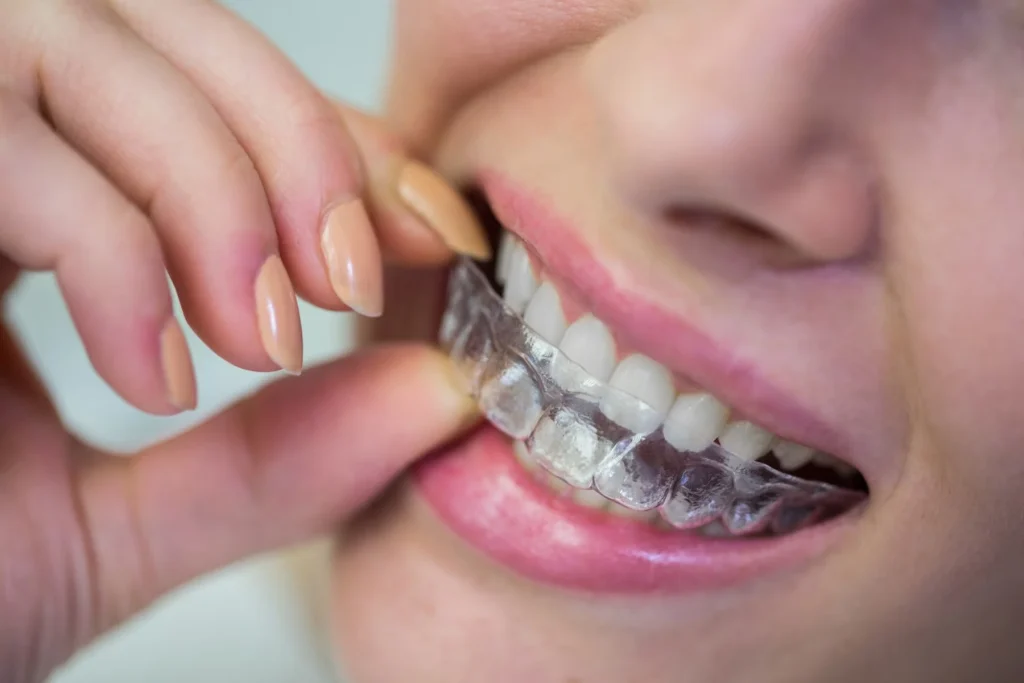
Clear braces are a modern orthodontic treatment option for individuals seeking to improve dental alignment discreetly. They are designed to straighten teeth while blending naturally with the smile more than traditional metal braces. Understanding the advantages of discreet braces can help patients make informed decisions about their orthodontic care and long-term dental health. Here is a closer look at the benefits of discreet braces for orthodontic treatment:
Understanding Clear Braces
Clear braces function much like standard traditional metal hardware. Although the materials look quite different externally, the basic mechanics remain the same. An orthodontist bonds small ceramic brackets to the front of each tooth, and they connect these brackets with a metal or frosted wire.
The archwire applies continuous pressure across the dental arch, and the force slowly moves the teeth into proper alignment. As the teeth shift gradually over time, the orthodontist adjusts the wire to continue the forward progress. Regular clinic visits make sure the treatment stays on schedule. Whenever the teeth shift into new spaces, the surrounding bone tissue adapts to support the new placement. This physiological adaptation creates a permanent structural change.
Exploring Key Advantages
Clear braces provide several physical and aesthetic benefits. Here are some of them:
- Aesthetic appearance: The translucent brackets are discreet on the teeth.
- Treatment effectiveness: They handle complex orthodontic issues with high efficiency.
- Physical comfort: Smooth ceramic edges reduce tissue irritation inside the mouth.
- Stain resistance: The material prevents discoloration from daily food and drink.
- Easy maintenance: Ceramic braces require minimal upkeep and can be cleaned effectively using standard oral hygiene practices.
These core advantages make discreet braces a practical medical choice. Patients can maintain a professional appearance consistently while achieving their desired structural outcomes.
Identifying Ideal Candidates
Teenagers often prefer less noticeable orthodontics in school, and adults frequently select this option for corporate professional settings. The subtle appearance helps individuals feel less self-conscious, and the sturdy brackets effectively correct moderate-to-severe misalignment. If a patient needs significant tooth rotation or vertical adjustment, clear braces are a fundamental tool. Orthodontists routinely recommend them for correcting overbites, underbites, and crooked teeth. The orthodontist manually controls the wire tension, enabling them to address specific rotational issues with precision.
Knowing Treatment Expectations
Treatment for discreet braces follows a specific medical timeline. The orthodontist first prepares the tooth enamel, and they bond the brackets carefully in precise locations. Here is what patients can generally expect from a clear braces procedure:
- Initial placement: The doctor keeps the teeth dry while attaching the brackets and tension wires.
- Regular adjustments: Patients return to the clinic every few weeks for wire tightening and inspection.
- Daily maintenance: Thorough brushing and flossing remove trapped food particles from the hardware.
- Retention phase: The patient wears a retainer nightly after bracket removal.
Every human mouth develops uniquely, so the exact timeline varies entirely based on individual structural requirements. Strict adherence to daily cleaning protocols will make sure the teeth remain healthy.
Schedule Your Clear Braces Consultation
Proper maintenance and care are fundamental for the success of orthodontic treatment with discreet braces. Adhering to daily cleaning routines promotes optimal oral hygiene and helps make sure the teeth remain in good health. For optimal results, following professional guidance and maintaining regular consultations are key. Contact a qualified dentist near you to schedule your consultation for clear braces today.