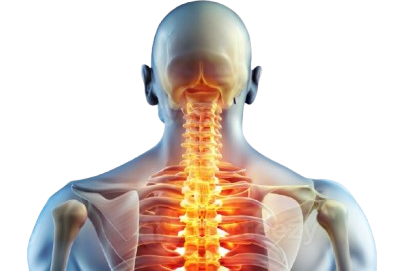

Lower back pain affects more than physical comfort; it can limit movement, interfere with daily activities, and influence sleep and overall well-being. Understanding its broader effects on health may help individuals recognize when lifestyle changes or medical support are needed. Here are several ways lower back pain can impact overall health:
Limits Daily Movement
A healthy spine allows for smooth physical movement. Lower back pain restricts the muscles, making routine actions increasingly difficult. Patients struggle with basic tasks, and their overall activity levels drop significantly. Restricted mobility impacts independent living. Individuals rely on others for assistance, so they lose their standard functional capacity. Although rest provides temporary relief, prolonged inactivity weakens the supporting muscles of the spine. Physical therapy is helpful for restoring lost motion.
Affects Work and Productivity
Workplace productivity depends on physical comfort. Employees perform tasks efficiently, but lumbar pain may disrupt their focus. When individuals experience persistent discomfort, their concentration decreases noticeably, and the distraction of physical pain slows routine problem-solving.
Physical labor jobs pose a high risk of injury. If a worker lifts heavy items improperly, they exacerbate existing spinal injuries. Office workers also face challenges; prolonged sitting can cause severe stiffness. Ergonomic chairs are helpful tools for these desk environments. Employers can implement safety protocols to prevent injuries. They can focus on training sessions, and workers can learn proper lifting techniques.
Influences Physical Health
Spinal health impacts broader physical wellness. As people avoid movement due to pain, cardiovascular health may decline. A sedentary lifestyle leads to weight gain, and excess weight places more pressure on the spine. This creates a negative cycle of physical decline. The body compensates for weak areas, and the imbalance strains other joints. While the initial injury heals, the surrounding muscles remain weak without proper rehabilitation. Physical decline can also spread to the hips and knees.
Professional pain management is a key factor for recovery. If symptoms persist for months, doctors recommend diagnostic evaluations. Specialists use advanced therapies, and they create tailored care plans for each patient. These treatments target the root cause of lumbar pain directly.
Disturbs Sleep and Emotional Well-Being
Restorative sleep is fundamental for physical healing. Lower back discomfort disrupts regular sleep cycles, causing patients to wake up frequently. The lack of rest prevents tissue repair because the body cannot find a comfortable position. These sleep disruptions trigger multiple emotional changes, including the following:
- Increased daily frustration toward minor inconveniences.
- Heightened stress levels during normal activities.
- Reduced mental clarity throughout the morning.
Chronic pain creates mental fatigue, and psychological stress worsens physical tension. Once a patient addresses the physical symptoms, their emotional stability often improves.
Schedule Your Lower Back Pain Evaluation.
Unmanaged spinal conditions affect your well-being. Although home remedies provide short-term help, chronic issues require clinical intervention. Lower back pain affects mobility and your work and sleep, but medical guidance can prevent these symptoms from worsening over time. For persistent lumbar pain, contact a qualified pain specialist near you to schedule your diagnostic evaluation and explore available treatment options.