Platelet-rich plasma (PRP) therapy is a procedure that uses components from an individual’s own blood to promote skin rejuvenation. By isolating and concentrating platelets, which are rich in growth factors, PRP aims to stimulate the body’s natural processes for cell growth and tissue repair. This innovative approach has been applied in aesthetic medicine to address various skin concerns, offering a method that aligns with the body’s inherent healing mechanisms.
What Is PRP Therapy?
PRP therapy involves isolating and concentrating platelets from a patient’s own blood. Human blood consists of red blood cells, plasma, and platelets. Platelets are small cell fragments that initiate clotting after injury and contain proteins known as growth factors. These are involved in the body’s repair mechanisms, including cell growth and the production of collagen. By separating platelets from whole blood and increasing their concentration, PRP therapy aims to deliver a higher level of growth factors directly to targeted areas, such as the skin of the face. This process is designed to stimulate cellular regeneration and tissue repair.
What Does It Involve?
The PRP process begins with a standard blood draw from the patient, after which the blood is placed in a centrifuge. Rapid spinning separates the blood into its components based on density, yielding platelet-rich plasma. This concentrated PRP is then prepared for application, while other components, such as red cells and platelet-poor plasma, are removed.
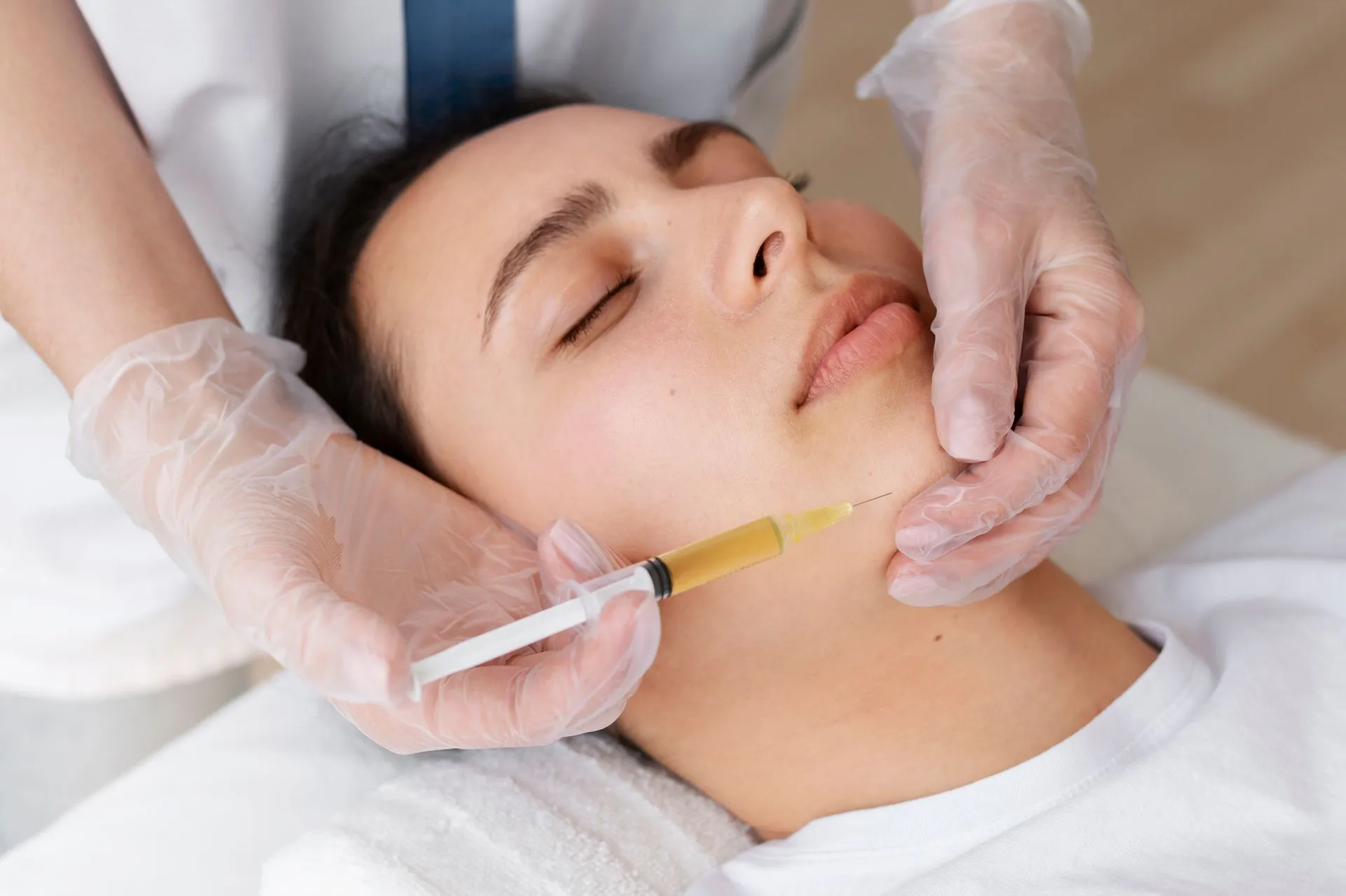
PRP may be administered with microneedling, during which a device with fine needles creates micro-injuries in the skin. This allows for deeper penetration of the plasma when applied topically. PRP may also be injected into specific areas. After the procedure, some redness and mild swelling can occur, typically resolving within a couple of days. Patients may be provided with aftercare instructions, such as avoiding harsh skincare products and temporarily limiting sun exposure.
What Are the Benefits?
In clinical practice, PRP therapy is applied to a range of skin-related concerns. An observed outcome is a gradual improvement in skin texture and tone, which practitioners attribute to the stimulation of new collagen and elastin fibers. This process may lead to firmer, smoother skin and a more supple appearance.
By promoting tissue remodeling, PRP may reduce the prominence of scar tissue and result in a more uniform skin surface. The therapy has applications in treating uneven pigmentation and sun-related skin changes. Since the procedure utilizes material from the patient’s own body, the risk of allergic reaction or immune rejection is low. Changes in skin appearance develop over weeks or months as increased collagen production and tissue repair occur naturally.
Seek Professional Aesthetic Care
PRP therapy exemplifies an approach in aesthetic care that uses the body’s natural healing responses by concentrating platelets and related growth factors. Consultation with a dermatologist is recommended for thorough evaluation and guidance. These professionals assess skin type and goals, determine candidacy, and create tailored treatment plans. Procedures are conducted in controlled environments where health and outcomes are priorities, and patients are given realistic information about the anticipated course and results of PRP therapy.