Botox is a cosmetic treatment used to address signs of aging, such as facial lines and wrinkles. Understanding the treatment process, its mechanism, and the results can help you make an informed decision about this procedure. Here is more information on what to expect when evaluating anti-aging cosmetic treatments:
What Is Botox?
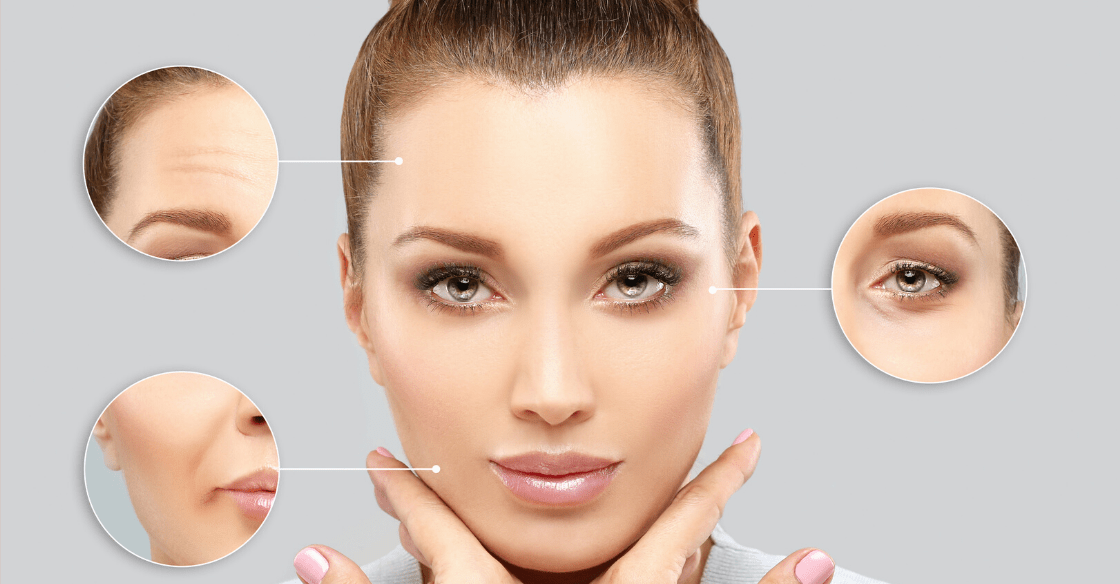
Botox is a brand name for a purified form of botulinum toxin type A, which is a neurotoxin protein. In cosmetic applications, it is used in small, diluted amounts to temporarily relax facial muscles. This relaxation helps smooth out wrinkles and fine lines formed by repetitive muscle movements over time, such as smiling or frowning. Common treatment areas include the forehead, the area between the eyebrows, and around the eyes, often referred to as crow’s feet.
How Does It Work?
Botox works by temporarily blocking nerve signals to the muscles where it is injected, preventing them from contracting. This reduction in muscle activity results in the softening and smoothing of the overlying skin. The process does not affect sensation in the treated areas; it only targets the specific muscles responsible for creating wrinkles.
The effects of Botox are not permanent, as the nerve endings eventually regenerate and muscle function returns. The duration of the results varies between individuals, though the effects typically last for several months. Regular treatments may be needed to maintain the desired appearance over the long term.
What Does the Process Involve?
The procedure is typically straightforward and completed in a clinical setting. It begins with a consultation where you discuss your goals and medical history with a qualified provider, who will assess your facial structure. This initial meeting allows the provider to determine the appropriate injection sites and dosage for your specific needs.
The treatment itself is brief, with each injection taking 1-2 minutes. The provider will cleanse the target area and numb it to minimize discomfort, enhancing patient comfort. A fine needle is used to administer small amounts of Botox into the designated facial muscles.
After the injections, you can usually resume your daily activities immediately, as there is minimal downtime associated with the procedure. Your provider will give you specific post-treatment instructions, which may include avoiding strenuous exercise. Following these guidelines helps to achieve the desired outcomes.
What Can You Expect?
Following treatment, it is normal to experience mild redness, swelling, or bruising at the injection sites, but these side effects typically resolve quickly. You will not see the full effects immediately after the procedure. Results begin to appear within 72 hours, with the full outcome visible in about 2 weeks. The treated areas will appear smoother, and fine lines and wrinkles will be noticeably reduced.
What Are the Benefits?
Botox offers several benefits for individuals looking to reduce the signs of aging, and its primary advantage is the effective reduction of dynamic wrinkles. The treatment provides a non-surgical alternative to more invasive procedures, involving minimal downtime. The procedure is quick, making it a convenient and practical option.
In addition to its cosmetic uses, Botox is also utilized for various medical conditions, including chronic migraines and excessive sweating. The treatment can lead to a more refreshed, youthful appearance. The results are temporary, allowing adjustments in future treatments.
Know What To Expect
Understanding the Botox procedure helps set realistic expectations for the outcome. The treatment offers a non-invasive way to smooth fine lines and wrinkles by temporarily relaxing facial muscles. If you are evaluating Botox, consulting with a qualified provider will help you determine if it is the right option for you.