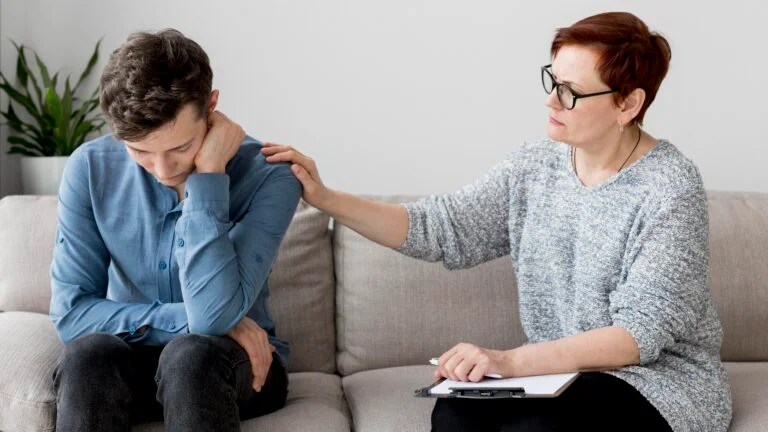

While relationships can form a foundation for personal well-being, navigating the dynamics between partners can sometimes present challenges. Counseling services offer a structured environment for couples to address concerns and work toward shared goals. A therapist facilitates discussions, helping partners explore their relationship in a supportive setting. Here is more information about the role of counseling in building healthy relationships:
Understanding Issues
A key step in relationship counseling is identifying underlying issues. A medical provider helps uncover the root causes of disconnection. Because unaddressed problems may create distance between partners, identifying them is a starting point. This process gives a clearer picture of the relationship’s state.
Couples may discover that small disagreements stem from deeper conflicts, because core issues might relate to past experiences or unmet needs. Counseling provides a space to explore these areas without judgment. It helps each person understand their own contributions to the dynamic.
Recognizing these patterns is the first move toward change. When both people see the complete picture, they may work together more effectively. This shared understanding forms the basis for future progress. It allows couples to address the actual problems instead of just the symptoms.
Improving Communication
Effective communication is a cornerstone of any strong partnership. Counseling introduces methods for expressing thoughts and feelings clearly. To promote greater connection, partners learn to listen actively. This skill is typically practiced during sessions.
Learning to communicate better takes time and effort. A therapist guides couples through exercises to build these skills. Couples might practice “I” statements to express feelings without placing blame. They also learn to recognize nonverbal cues, which often convey more than words. Many couples find that their communication styles are very different, and counseling helps bridge that gap.
Resolving Conflicts
Conflict is a natural part of any relationship, but unresolved disputes may cause damage. Counseling teaches structured approaches to conflict resolution. Partners learn to navigate disagreements constructively, and this helps prevent arguments from escalating. The focus is on finding common ground.
The goal is to turn disagreements into opportunities for growth. A therapist can facilitate discussions on complex topics, and this guidance helps couples practice new ways to handle friction. A few techniques include:
- Taking scheduled breaks during arguments.
- Setting ground rules for disagreements.
- Focusing on one issue at a time.
Because these strategies are designed to de-escalate tension, they allow for more productive conversations about sensitive subjects. Learning to manage conflict helps build a more resilient partnership over time.
Breaking Unhealthy Patterns
Relationships may fall into repetitive, unhelpful cycles, and these patterns may be difficult to see from the inside. A therapist offers an outside perspective, helping to identify these recurring behaviors. Once a pattern is identified, couples may work to change it. This involves a conscious effort from both individuals. Counseling supports this change by providing accountability and guidance. When you understand why a pattern exists, it becomes easier to replace it with a healthier one.
Schedule Counseling Services Today
Building a healthier relationship is a process of learning and growth. Counseling offers a framework for partners to understand each other better, and it provides tools for communication, conflict resolution, and positive change. If you and your partner are ready to work on your relationship, professional guidance may be a useful step. Contact a mental health expert to schedule an appointment with one of our counselors.