Botox is a neurotoxic protein used in cosmetic procedures to address signs of aging. Understanding the treatment process is beneficial for any prospective patient. Here is more information on Botox, its mechanism of action, the typical procedure, and what to expect during and after treatment:
What Is Botox?
Botox is the brand name for a specific type of botulinum toxin, a protein produced by the bacterium Clostridium botulinum. This substance is used in small, diluted amounts for cosmetic and medical purposes, so it is safe when administered by a trained professional. It is well known for its ability to reduce the appearance of facial wrinkles temporarily.
How Does It Work?
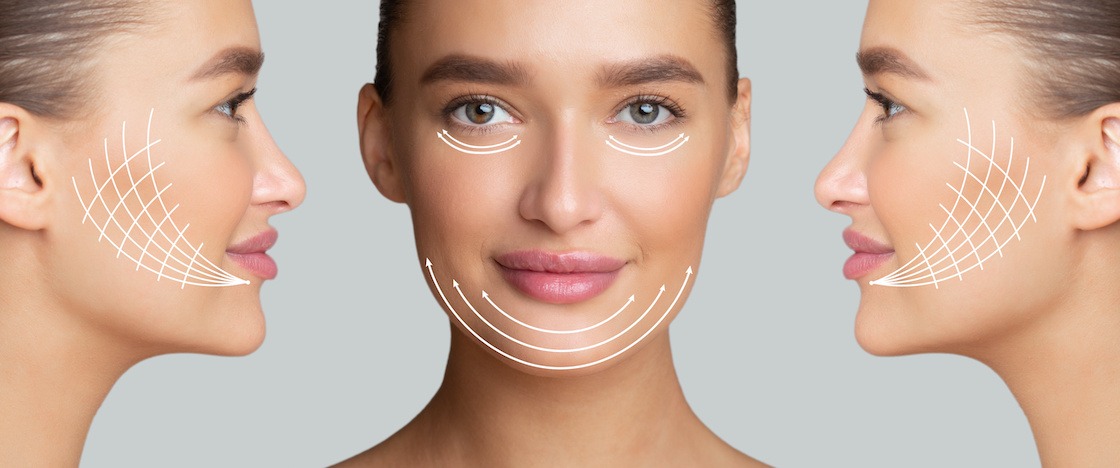
Botox works by temporarily blocking nerve signals to the muscles where it is injected, and this causes the muscles to relax. When these muscles can no longer contract, the skin above them smooths out, which reduces the visibility of wrinkles. The effect is localized to the treatment area and does not affect other muscles.
The process is precise, targeting only the small facial muscles responsible for creating dynamic wrinkles, such as crow’s feet and frown lines. Nerve signals are not permanently stopped, so muscle action gradually returns over time. This is why follow-up treatments are needed to maintain the results.
What Does the Process Involve?
The procedure is straightforward, and it can typically be completed during a short office visit without anesthesia. A medical professional will use a fine needle to inject small amounts of Botox into specific facial muscles. The number of injections needed depends on the areas being treated and the desired results.
Discomfort during the procedure is minimal, with some patients experiencing a slight pinching sensation, so there is little to no downtime afterward. Patients can usually resume their normal activities immediately following the treatment. The full effects of the injections become visible within a few days.
What Are the Benefits?
The primary benefit of Botox is the reduction of facial wrinkles, resulting in a more youthful and rested appearance. Treatment is non-surgical, making it a minimally invasive option, and recovery time is also minimal. Beyond its cosmetic uses, Botox is also utilized to treat a variety of medical conditions. It can be effective for managing chronic migraines and excessive sweating.
Who Can Get Botox?
Suitable candidates for Botox are typically adults in good overall health with realistic expectations about outcomes. Individuals who wish to diminish the appearance of dynamic wrinkles are often good candidates for the procedure, and it can be used on a wide range of skin types. A consultation with a provider helps determine if the treatment is appropriate for you. Discussing your complete medical history with your provider may be necessary before undergoing treatment.
Ask a Medical Professional Today
Botox is a cosmetic treatment that reduces the appearance of wrinkles, and it offers a non-surgical option with minimal downtime. Understanding the procedure, its benefits, and who is a good candidate can help you make an informed decision. To receive personalized advice and determine whether Botox is right for you, schedule a consultation with a qualified medical professional. They will assess your individual needs, discuss potential outcomes, and answer any specific questions you have about the treatment.