Skin conditions can appear in many forms, from mild irritation to concerns that require ongoing care. An accurate diagnosis is the first step toward choosing the right treatment and protecting long-term skin health. Here’s more information on navigating skin conditions from diagnosis to treatment:
Understanding Skin Conditions
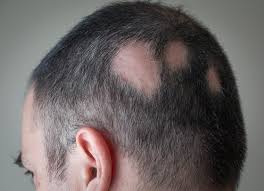
Many people experience some form of skin irritation, ranging widely in severity and cause. Some conditions are temporary and resolve with simple care, while others are chronic and require ongoing management. Common skin conditions include eczema, psoriasis, acne, and rosacea, each with distinct symptoms and triggers.
Environmental factors, genetics, and immune system responses all contribute to the development of skin concerns. Allergic reactions may cause hives or contact dermatitis, which are short-lived once the allergen is removed. Autoimmune conditions like psoriasis stem from the immune system mistakenly attacking healthy skin cells, which requires complex intervention.
Diagnosing Skin Concerns
A healthcare provider uses a systematic approach to diagnose skin conditions accurately. Here are some fundamental methods doctors use to identify skin issues:
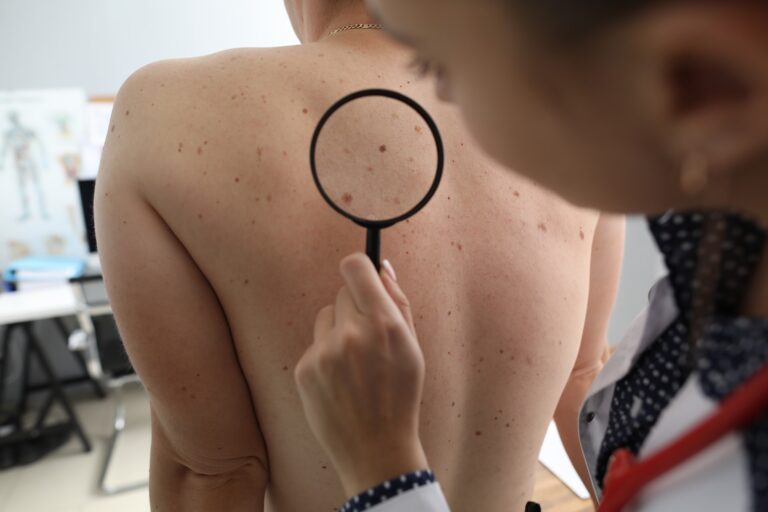
- Physical Examination: A doctor will visually inspect the affected skin, noting the appearance, location, and pattern of the irritation.
- Medical History Review: Your doctor will ask about your symptoms, family history of skin diseases, lifestyle, and potential triggers you may have noticed.
- Skin Biopsy: For some conditions, a small skin sample is removed and examined under a microscope to confirm a diagnosis.
- Allergy Testing: If an allergic reaction is suspected, patch tests or other allergy tests are used to identify specific substances that trigger your skin irritation.
- Blood Tests: Certain skin conditions are linked to underlying health problems; a blood test can detect antibodies or markers of disease.
These diagnostic tools provide the information your doctor needs to create an effective and personalized treatment plan for you.
Exploring Treatment Options
Once a diagnosis is confirmed, your doctor will recommend a treatment plan tailored to your specific condition. Here are some common treatment options that your healthcare provider may suggest:
- Topical Medications: These can include corticosteroids to reduce inflammation, retinoids for acne, or moisturizers to hydrate the skin.
- Oral Medications: For more severe or widespread conditions, doctors may prescribe pills or liquid medications.
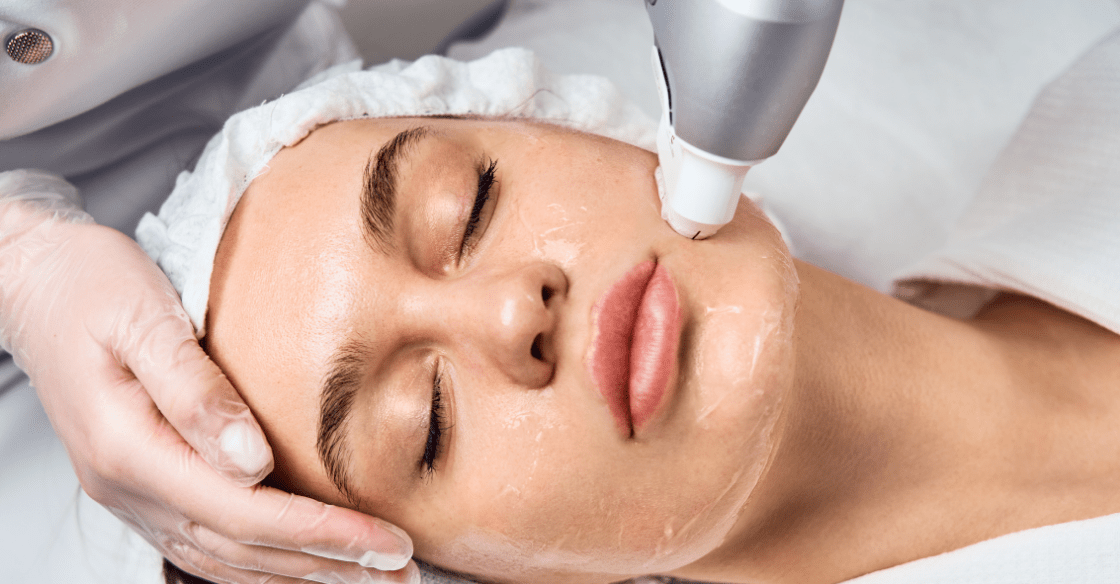
- Light Therapy (Phototherapy): This treatment uses controlled exposure to ultraviolet (UV) light to manage conditions like psoriasis and eczema.
- Biologics: These are advanced, injectable medications that target specific parts of the immune system and are often used for severe autoimmune skin diseases.
- Lifestyle and Diet Modifications: Your doctor may suggest avoiding certain triggers, adopting a specific skincare routine, or making dietary changes to manage your symptoms.
Working closely with your healthcare provider will help determine the most appropriate and effective treatment path for your skin concerns.
Managing Symptoms at Home
Managing skin conditions often involves consistent at-home care to complement medical treatments. A gentle skincare routine is fundamental, and it should be tailored to your skin’s specific needs. Start by using a mild, fragrance-free cleanser to wash your skin without stripping it of its natural oils. After cleansing, applying a high-quality moisturizer helps lock in hydration and support the skin’s barrier function. Identifying and avoiding personal triggers is a helpful part of managing skin issues. Keeping a journal to track your symptoms and daily activities can help you notice patterns and pinpoint what may be causing flare-ups.
Find Relief From Skin Conditions
Navigating skin conditions requires a proactive and informed approach. Understanding the different types of skin issues, the diagnostic process, and the available treatments assists you in working with your healthcare provider. Home care and lifestyle adjustments also play a key role in managing symptoms and improving your well-being. For persistent skin irritation or other skin concerns, contact a trusted provider near you to seek professional medical advice.