
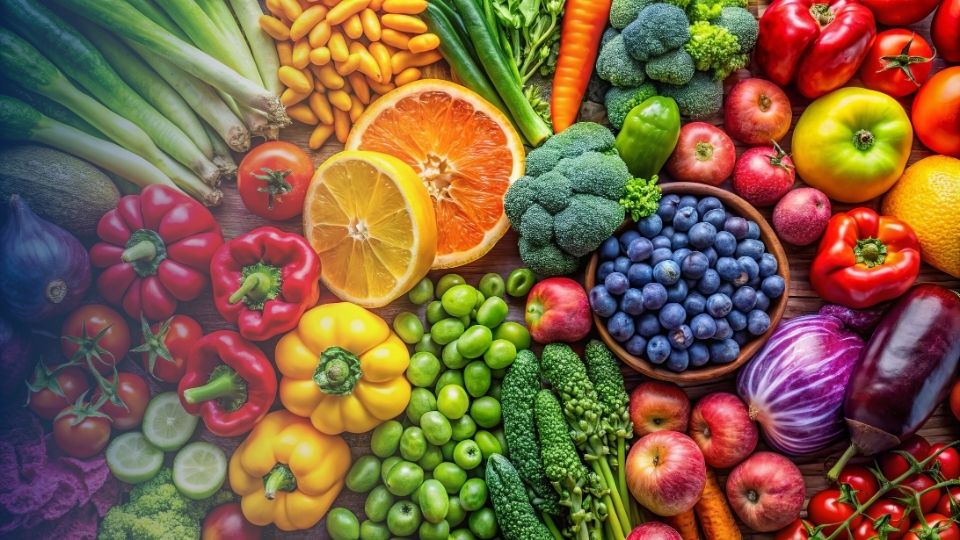
Diet plays a key role in influencing the risk of developing various conditions and can impact long-term wellness, including the prevention of colon cancer. Understanding how certain foods and nutrients affect the digestive system can be helpful in creating a supportive dietary plan.
Fiber’s Protective Power
Dietary fiber, found in plant-based foods, is a part of a balanced diet that supports digestive health. Increasing fiber intake helps promote regular bowel movements, allowing waste to move through the colon more efficiently. This can reduce the time the colon lining is exposed to harmful substances. Fiber-rich foods include fruits, vegetables, whole grains, and legumes.
Limit Red Meat Intake
Dietary guidelines commonly advise limiting the consumption of red and processed meat. High intake of these foods, mainly processed meats like sausages and deli meats, has been linked to a higher risk of certain health issues, including colon cancer. Processed meats often contain preservatives that can form potentially harmful compounds in the body.
To reduce red meat consumption, consume leaner proteins like poultry or fish. Incorporating plant-based protein sources like beans, lentils, or tofu is another effective strategy. These choices not only support better health but also add variety to your diet.
Choose Antioxidant Foods
Antioxidants are compounds that help protect the body’s cells from damage caused by unstable molecules known as free radicals. Including a variety of antioxidant-rich foods in your diet is a beneficial strategy for overall health. While the body naturally produces some antioxidants, dietary sources are also beneficial. Some foods high in antioxidants can include:
- Berries, such as blueberries and strawberries
- Dark leafy greens, like spinach and kale
- Nuts and seeds
Support Gut Health
The digestive tract is home to a complex community of microorganisms known as the gut microbiome. A balanced microbiome is beneficial for proper digestion and contributes to overall well-being, and diet is a primary factor influencing its composition. Certain foods can help nourish beneficial gut bacteria. Probiotic foods contain live beneficial bacteria, while prebiotic foods provide the fiber that these bacteria feed on, and you can find both in a variety of foods. Some foods that support gut health are:
- Yogurt and kefir (probiotics)
- Onions, garlic, and bananas (prebiotics)
Reduce Added Sugars
Excessive sugar consumption can lead to weight gain and may displace more nutritious foods from your diet. To reduce added sugars, you can read labels and be mindful of products like sugary beverages, pastries, candy, and sweetened cereals, which often contain high amounts. Making choices about sugar intake supports digestive health and contributes to a balanced diet.
Protect Yourself From Colon Cancer
Making informed dietary choices is a step toward long-term health. A diet rich in fiber and antioxidants can support a healthy digestive system, and limiting red and processed meats may also be beneficial. Although no single food guarantees prevention, a balanced diet is a key part of reducing your risk of colon cancer. Consult with a healthcare provider or a registered dietitian to create a personalized nutrition plan that meets your specific health needs.