
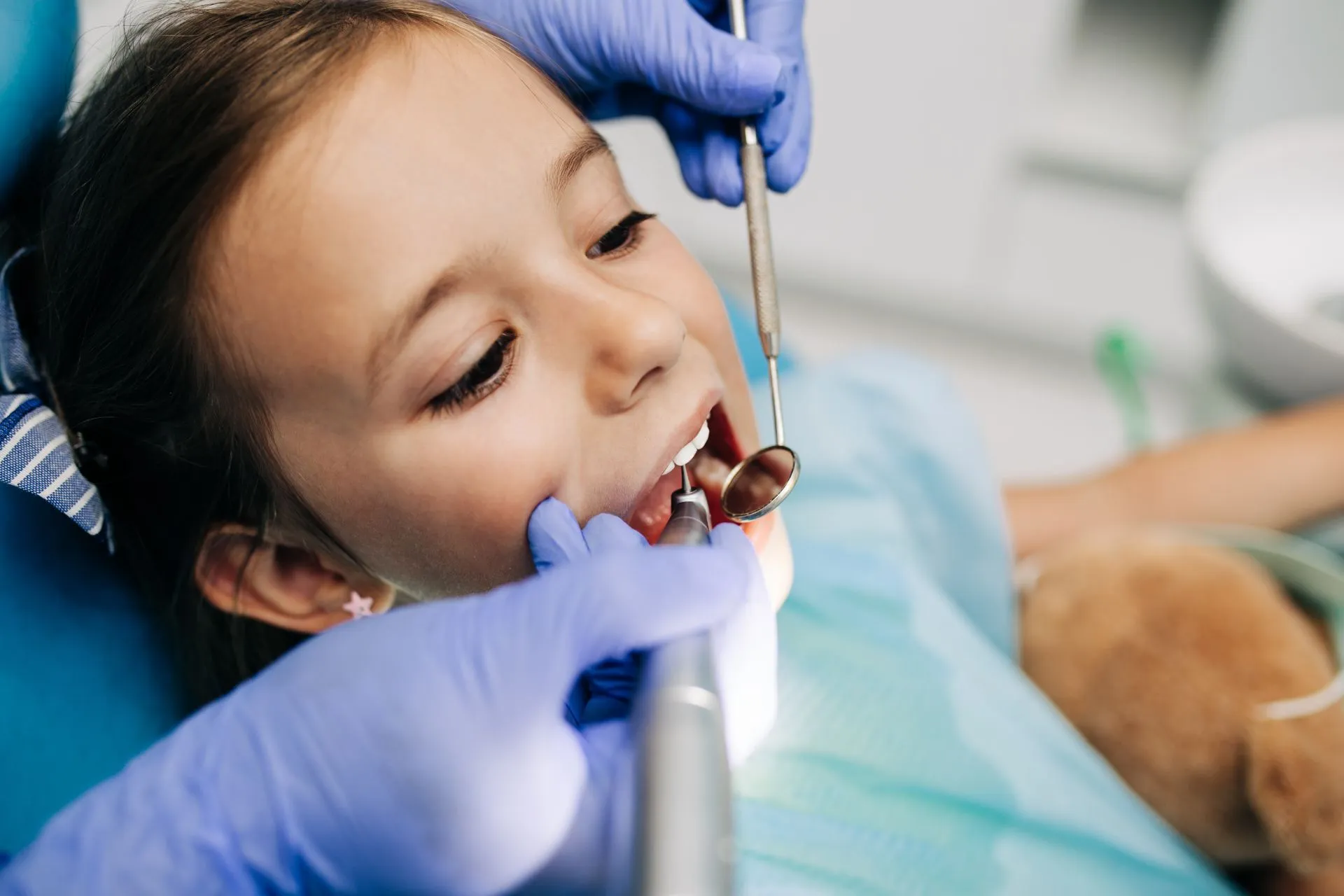
Regular dental visits do more than keep your smile looking good; they protect your overall health. A general dentist plays a key role in detecting early signs of tooth decay, gum disease, and other oral issues before they become painful. Understanding why these checkups matter can help you stay ahead of problems and maintain long-term oral health. Here’s why regular dental checkups with your dentist matter:
What Do Dentists Look For?
During a routine appointment, your general dentist conducts a thorough examination of your entire mouth. The dentist examines your teeth and inspects your gums and other soft tissues. Here are some key areas your dental care provider will assess:
- Tooth Decay and Cavities: Your dentist will check for signs of decay, which can appear as soft spots or discoloration on your teeth.
- Gum Disease: The dentist will examine your gums for signs of gingivitis, such as redness, swelling, or bleeding.
- Plaque and Tartar Buildup: Even with regular brushing, plaque can harden into tartar; your dentist will identify areas where this has occurred.
- Oral Cancer Signs: Your dental care provider will inspect your tongue, cheeks, and throat for any unusual sores or lumps that could indicate oral cancer.
- Bite and Jaw Issues: The dentist will evaluate your bite alignment and check for signs of teeth grinding or TMJ disorders.
These examinations provide a full picture of your oral health.
Which Problems Show up Early?
Routine dental visits allow your general dentist to detect oral health problems in their earliest stages. Detecting issues early often makes them easier to treat and less invasive. Gum disease is another condition that benefits from early detection. The initial stage, gingivitis, is reversible with professional cleaning and improved home care. If it progresses to periodontitis, the damage to your gums and bone is permanent, making early intervention fundamental. Your general dentist can also identify signs of other health conditions that can manifest in the mouth.
How Does Regular Care Help?
Preventive services like checkups and cleanings are generally covered by dental insurance. The stress associated with major dental work is also a factor to contemplate. An emergency dental situation, such as a severe toothache or a broken tooth, can be painful and disruptive. Attending regular appointments lowers your risk of experiencing these emergencies. Maintaining a consistent relationship with a dentist means you have a trusted professional to turn to, which can reduce concern about your oral health.
When Should You Visit Sooner?
While it is standard to see your general dentist twice a year, certain symptoms indicate you should schedule an appointment sooner. Contemplate booking a visit if you experience any of the following issues:
- Tooth Pain or Sensitivity: Persistent pain or sensitivity to hot or cold temperatures often signals a cavity or nerve damage.
- Bleeding or Swollen Gums: These are common signs of gum disease, and they should be evaluated by a dentist.
- Jaw Pain or Clicking: Discomfort, clicking, or popping in your jaw could be a symptom of a TMJ disorder.
- Sores or Lumps in the Mouth: Any sore, lump, or unusual patch in your mouth that does not heal within two weeks should be examined.
- Broken or Chipped Teeth: A damaged tooth should be repaired promptly to prevent further breakage or infection.
Contact your dentist right away for a professional diagnosis and an effective treatment plan.
Visit a General Dentist Today
Regular checkups with a general dentist are a key component of your overall health care. These appointments allow your dental care provider to detect and treat problems early, helping you avoid pain and stress. For dental symptoms, contact a trusted general dentist near you to schedule your visit today.