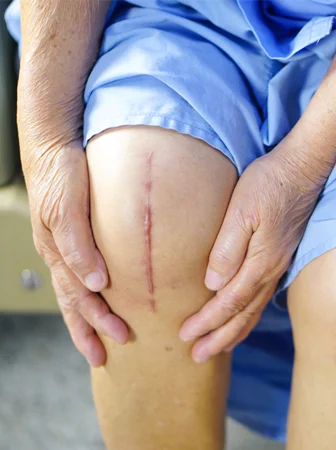
Knee replacement surgery is designed to help you regain comfort and mobility. Whether preparing for the operation or already progressing through recovery, you may experience a period of discomfort as your body adapts and heals. Addressing pain management after surgery is fundamental for supporting your return to daily routines, and it promotes overall well-being. Here are some tips for addressing pain management after knee replacement surgery:
Work With a Physical Therapist
Physical therapists support progress through tailored exercises focused on building strength, restoring movement, and reducing stiffness. Some routines may bring temporary soreness, but these efforts ultimately encourage healing and independence. Communicate openly with your physical therapist. Discuss how your recovery is going at home, and share your discomfort levels during sessions. Your therapist can modify activities or frequency to match your progress. Maintaining a schedule of gentle exercises at home is fundamental for mobility, and it helps manage any swelling or stiffness caused by the knee surgery.
Make Lifestyle Changes at Home
Your home environment and habits shape how smoothly you recover; thoughtful changes can make a key difference in managing discomfort and fostering safety. Applying ice packs for limited times, as your care team recommends, proves helpful in reducing swelling and soothing your joint. Try elevating your leg when relaxing, as this may reduce pressure and fluid buildup.
Pacing yourself throughout the day is also beneficial. Breaking larger tasks into manageable steps gives your body time to adjust to the knee replacement. Alternate short walks or light household chores with periods of rest. Balancing these activities supports steady, sustainable healing, and it avoids placing unnecessary stress on your knee.
Some ways to support comfort at home may include:
- Preparing living spaces to avoid trip hazards or obstacles.
- Putting frequently used items within easy reach before resting.
- Wearing supportive shoes for extra stability when moving.
Communicate With Your Healthcare Team
Regular communication and follow-ups with your healthcare providers are fundamental after surgery. Your doctors and nurses offer valuable guidance, and your feedback and questions play an equally key role in customizing your care. Keep track of discomfort patterns, daily routines, and anything unusual so you can share these insights at follow-up appointments.
When your healthcare team gives you a pain management plan before you leave the hospital, clarify any steps that seem complex. Take your prescribed medications as directed; this helps avoid unnecessary discomfort. Keep a log of your recovery experience and note which activities influence your pain levels to help your knee replacement team tailor their advice and support.
Learn More About Knee Replacements
Navigating pain management after knee replacement involves consistent, practical efforts and helpful partnerships. By working with your physical therapist, creating a supportive home setup, and maintaining open lines of communication with your healthcare team, you can enhance your recovery experience. Take note of your progress, and contemplate reaching out whenever questions arise. Promoting comfort and mobility after surgery is a team effort, so let your care providers, family, and personal strategies work together for your well-being. Contact an orthopedics specialist today to discuss your knee replacement options and recovery details.