
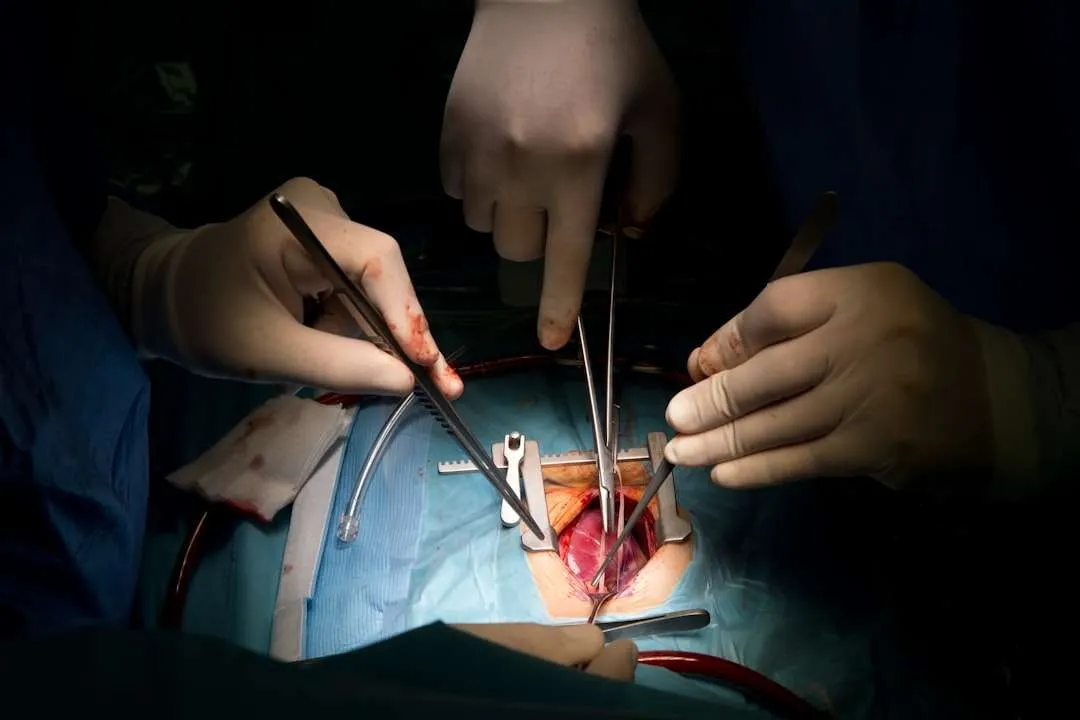
Robotic surgery is a big step forward in medical technology. It gives surgeons more precision and control, especially during complex procedures. This method is minimally invasive and is often used for surgeries on the small intestine, where it can be very effective. Using robotic arms and high-definition cameras, surgeons can work carefully in tight spaces. Here you can explore some of the different types of small intestine surgeries done with robotic technology.
Small Bowel Resection
A small bowel resection is a surgical procedure to remove a damaged or diseased segment of the small intestine. Robotic surgery is a good option for this procedure because it helps surgeons make very exact cuts and stitches. This reduces damage to nearby tissues. The surgeon uses a control panel to guide robotic arms that perform the surgery inside the patient. This procedure may be required for a variety of conditions, including:
- Crohn’s disease
- Intestinal blockages
- Severe injuries
- Tumors or abnormal growths
- Ischemia (reduced blood flow)
A small bowel resection may be necessary when other treatment options are not sufficient.
Tumor Excision
When tumors form in the small intestine, precise and complete removal can improve a patient’s treatment plan. Robotic surgery allows surgeons to carefully remove both benign and malignant tumors. The enhanced 3D visualization and wristed instruments of the robotic system help surgeons navigate the complex anatomy of the small intestine with greater accuracy. This precision aids in removing the tumor while preserving as much healthy bowel tissue as possible.
Upper GI Endoscopy
While traditional endoscopy is a standard tool for diagnosis, robotic assistance can improve certain advanced treatments in the upper gastrointestinal (GI) tract. Robotic-assisted endoscopy can provide greater dexterity for complex procedures, such as removing large polyps or early-stage cancers. This method allows for more precise and effective treatments in difficult cases.
Robotic-assisted endoscopy allows surgeons to handle special instruments with more control than standard endoscopic methods. It combines the internal access of an endoscope with the surgical precision of a robot. This mix of technologies creates new options for minimally invasive procedures in the GI tract.
Robotic Stricturoplasty
A stricturoplasty is a procedure performed to widen a narrowed section of the intestine, known as a stricture, without removing any portion of the bowel. This condition is often associated with inflammatory bowel diseases like Crohn’s disease, and it can cause blockages and severe discomfort. Robotic surgery allows for the careful reshaping of the intestinal wall, thereby relieving the obstruction. Key benefits of a robotic stricturoplasty include:
- Enhanced precision during delicate reconstructions
- Reduced trauma to the surrounding tissues
- The ability to maintain bowel integrity and function
Explore Robotic Surgery Options
Robotic surgery offers a minimally invasive approach for various small intestine procedures, providing surgeons with enhanced visualization, dexterity, and control. From removing diseased sections of the bowel to excising tumors with high precision, this technology assists in performing complex operations. If you are looking into a procedure for a condition affecting your small intestine, it is helpful to understand all available options . Discuss with your doctor whether robotic surgery is an appropriate option for your medical situation.