
Cardiology is the medical specialty focused on the heart and circulatory system. Doctors in this field diagnose and treat diseases of the heart, blood vessels, and arteries. As technology evolves, cardiology is adapting to these changes, offering new approaches to patient care and heart health management. Here is more information about future directions to help you stay informed about the developments in this area of medicine:
Interventional Cardiology
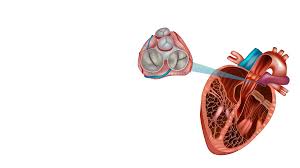
New techniques are emerging in interventional cardiology. These methods often involve less invasive procedures, which may change how doctors approach treatment for certain conditions. Catheter-based therapies for structural heart diseases may be improving. Doctors use these catheters to repair or replace heart valves without the need for open-heart surgery, and this technology continues to advance.
Developments may also include bioresorbable stents. These stents support a vessel after a procedure, but they dissolve over time once the artery has healed. The goal is for the vessel to return to a more natural state. Developers may be improving the materials and design of these devices to better support patient needs.
These improvements can offer enhanced visualization and control during an operation. This technology aims to make delicate tasks more manageable, although widespread use is still being explored. These advancements represent a shift toward more refined and targeted treatments for heart conditions.
Advances in Echocardiography
Echocardiography uses sound waves to create images of the heart. Future developments are focused on making these images clearer and more detailed. These methods may provide a more comprehensive view of the heart’s structure and function compared to traditional imaging. This helps your doctor get a more complete picture of your heart health.
New software is also enhancing the diagnostic capabilities of echocardiography. While the technology assists doctors, the final interpretation always rests with the trained professional. These tools are designed to support clinical decisions and improve the efficiency of the diagnostic process.
Nuclear Cardiology
Nuclear cardiology uses small amounts of radioactive material to assess heart function and blood flow. This field is seeing progress in imaging technology and diagnostic agents. New cameras, such as solid-state detectors, offer higher-quality images with lower radiation doses. These cameras are also faster, which can make the experience more comfortable for you. The images they produce help doctors evaluate how well your heart is working.
Ultrasound Improvements
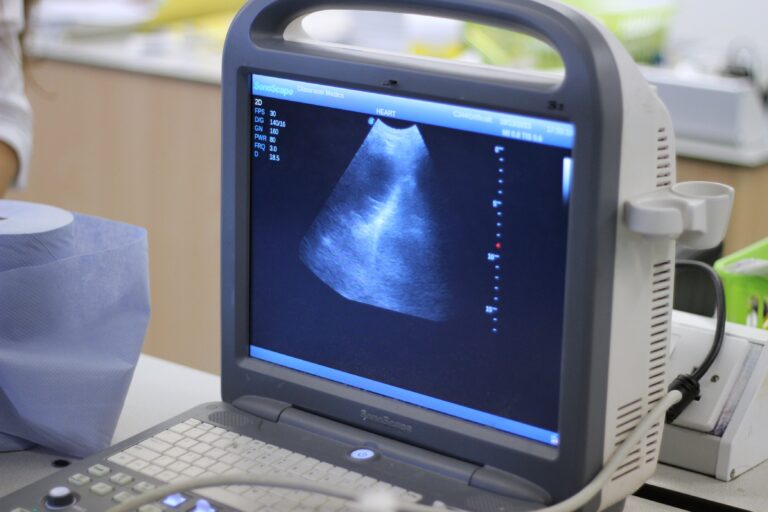
Ultrasound technology is a cornerstone of cardiology, and it continues to improve. Miniaturization is a key trend, and portable, handheld ultrasound devices are now available. These devices allow doctors to perform quick heart scans at the bedside or in outpatient clinics. This accessibility can help you get answers sooner without needing to schedule a separate appointment in a specialized lab. The process is straightforward, and the device provides immediate images for your doctor to review.
Software enhancements are also making ultrasound more powerful. Here are some areas of focus:
- Strain imaging for detailed muscle function analysis.
- Automated quantification tools.
- Contrast agents for better visualization.
These improvements aim to extract more diagnostic information from each scan. As technology advances, the goal is to provide your doctor with the clearest possible view of your heart. This allows for a thorough and accurate assessment of your heart’s condition.
Schedule Cardiology Treatment Today
The field of cardiology is continually advancing with the introduction of new technologies and techniques. These developments are changing how heart conditions are diagnosed and managed. If you have concerns about your heart health, speaking with a professional is a helpful step. Contact a cardiology practice to schedule an appointment and discuss your individual needs.