
A smile is often one of the first features people notice. For individuals who feel self-conscious about their teeth, this can be a source of unease. Cosmetic dentistry focuses on improving the appearance of teeth, gums, and the overall smile. These procedures can alter a person’s perception of their own smile, which may influence their self-confidence in social and professional settings.
What Is Cosmetic Dentistry?
Cosmetic dentistry focuses on improving the appearance of your smile, blending artistry with dental science. Unlike general dentistry, which prioritizes oral health, cosmetic treatments are typically elective and designed to enhance the appearance of your teeth, including their color, shape, size, and alignment.
Here are some common cosmetic dentistry procedures and what they address:
- Teeth whitening: Removes stains and discoloration, brightening your smile.
- Veneers: Thin shells that cover the front of teeth to fix chips, cracks, or uneven shapes.
- Dental bonding: A quick, affordable solution for repairing minor imperfections like small chips or gaps.
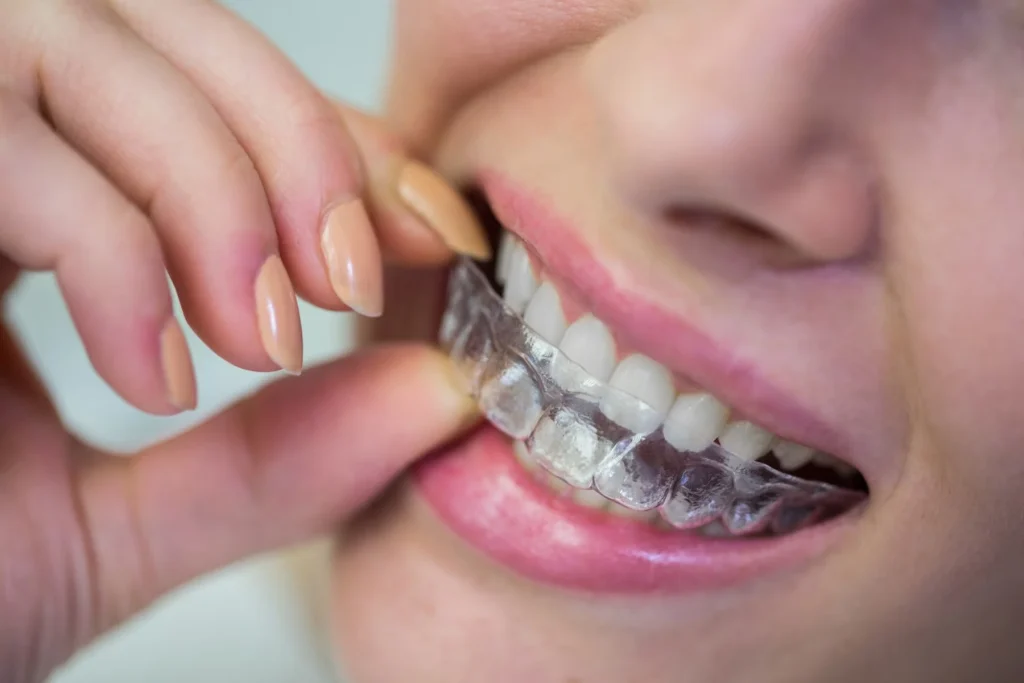
- Invisalign or braces: Straightens misaligned teeth for a more uniform smile.
- Dental implants: Replace missing teeth for a natural and complete smile.
These treatments can range from simple, single-visit fixes to more complex, multi-step procedures. Whatever the concern, cosmetic dentistry aims to create a confident smile that reflects your best self.
What Treatments Improve Appearance?
Several treatments are available to change the appearance of teeth. Each one addresses different aesthetic goals and can be tailored to an individual’s needs.
Teeth Whitening
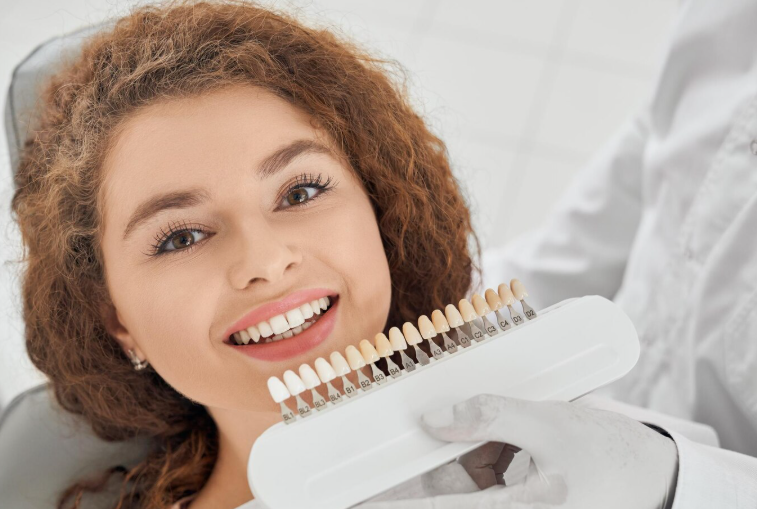
Teeth whitening is a common cosmetic dentistry procedure. It is designed to lighten teeth and remove stains or discoloration. This can be done in a dental office or with take-home kits provided by a dentist. The process uses bleaching agents to brighten the shade of the teeth.
Veneers
Veneers are thin, custom-made shells that cover the front surface of teeth. They can correct a variety of dental imperfections, such as chips, gaps or severe discoloration. The shells are bonded to the teeth, creating a new, uniform look.
Bonding and Reshaping
Dental bonding involves applying a tooth-colored resin material to a tooth. The dentist shapes and polishes it to match the surrounding teeth. This can repair chips, close small gaps or change a tooth’s shape.
Do Small Changes Matter?
Even minor adjustments to a smile can have a noticeable effect on its overall appearance. Small changes, such as whitening teeth by a few shades or repairing a single chipped tooth, can create a more balanced and uniform look. These subtle refinements often contribute to a more positive feeling about one’s smile without requiring extensive procedures.
Addressing small imperfections may allow a person to feel more at ease when they smile or speak. The focus of these minor procedures is to refine what is already there, leading to a natural-looking enhancement. People may find that correcting something that has bothered them for years, no matter how small, makes a difference in their daily interactions.
Consult a Specialist
Exploring your options with a qualified dental professional is a practical first step. A dentist specializing in cosmetic procedures can provide information on what treatments might be suitable for your specific goals. You can discuss your desired outcomes and learn about the processes involved. This conversation will help you understand the potential results and what to expect from any procedure. Taking this step allows you to gather the necessary details to make an informed decision about your smile.