Botox is a neurotoxic protein used in cosmetic procedures, and it functions by temporarily blocking nerve signals in the muscles where it is injected. This action causes muscle relaxation, which is why it is used to manage facial lines and shape certain facial features. Here is more information about using Botox for facial contours:
Relaxing Muscles
The primary mechanism of botulinum toxin involves the relaxation of muscles. When a muscle receives a nerve signal, it contracts, but botulinum toxin interrupts this process for a limited time. Because the substance binds to nerve endings, it prevents the release of a chemical transmitter called acetylcholine. This targeted muscle inactivity forms the basis for its cosmetic applications.
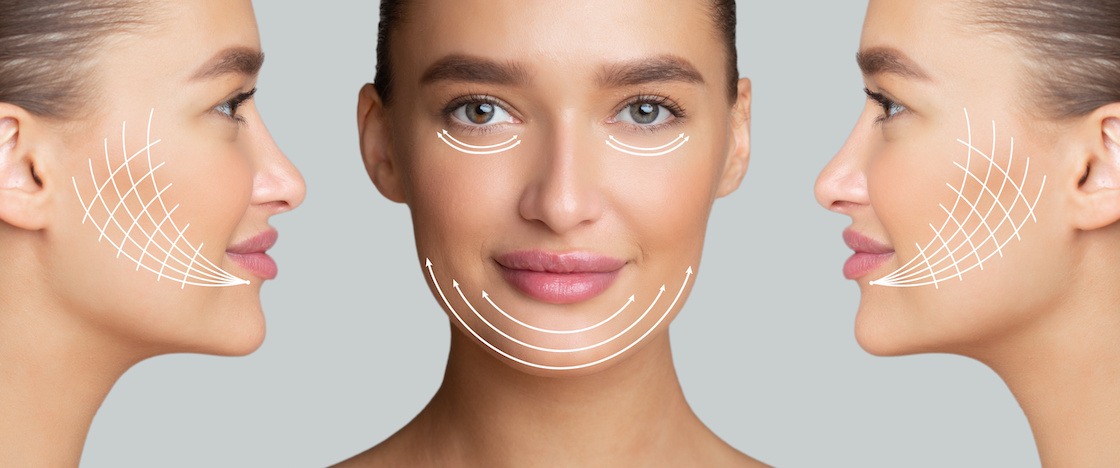
Strategic injections may alter the appearance of certain facial structures. Some potential uses include:
- Addressing a gummy smile
- Lifting the corners of the mouth
- Softening neck bands
Botulinum toxin provides a non-surgical option for modifying muscle activity. While its effects are temporary, the procedure offers a way to address specific aesthetic concerns related to muscle tension. The results gradually wear off as the nerve endings regenerate.
Slimming Square Jawline
A wide or square-shaped jawline can result from overactive muscles. People use these muscles for chewing, and they can increase in size through habitual teeth grinding or clenching. Botulinum toxin injections can target specific muscles to achieve desired effects.
When the jaw muscles are relaxed, they may decrease in size over time. This reduction in muscle mass creates a softer, slimmer appearance of the jawline. The treatment does not affect bone structure, so the changes are related entirely to the muscle. This approach is sometimes sought by individuals looking for a more V-shaped or oval facial silhouette.
Correcting Asymmetry
Facial asymmetry happens when one side of the face does not mirror the other. Uneven muscle strength or differences in muscle pull can cause this. For example, a person might have one eyebrow sitting higher than the other, or one side of the mouth may droop slightly.
A provider can inject small amounts of Botox to address these imbalances. They carefully target the stronger, over-pulling muscles to relax them. This action allows the weaker muscles on the opposite side to function without opposition, which can lead to a more balanced appearance. Since each face has unique muscle movements, the provider must perform a detailed facial analysis to customize the injection pattern.
Reducing Dynamic Wrinkles
Dynamic wrinkles are lines that form by repeated facial expressions. These include crow’s feet from smiling or forehead lines from raising your eyebrows. Because these wrinkles appear when you move your facial muscles, they are directly linked to muscle activity. Patients seeking cosmetic treatment may use botulinum toxin to manage the appearance of these lines. The injections work by limiting the movement of the specific muscles that cause these wrinkles to form.
Schedule Botox Treatment
Botox effects are temporary, and dermatologists typically repeat treatments to maintain results. The duration of effect varies among individuals. A consultation with a qualified provider is the first step for anyone interested in this procedure. To discuss your goals and determine a suitable treatment plan, schedule a consultation with a dermatologist.