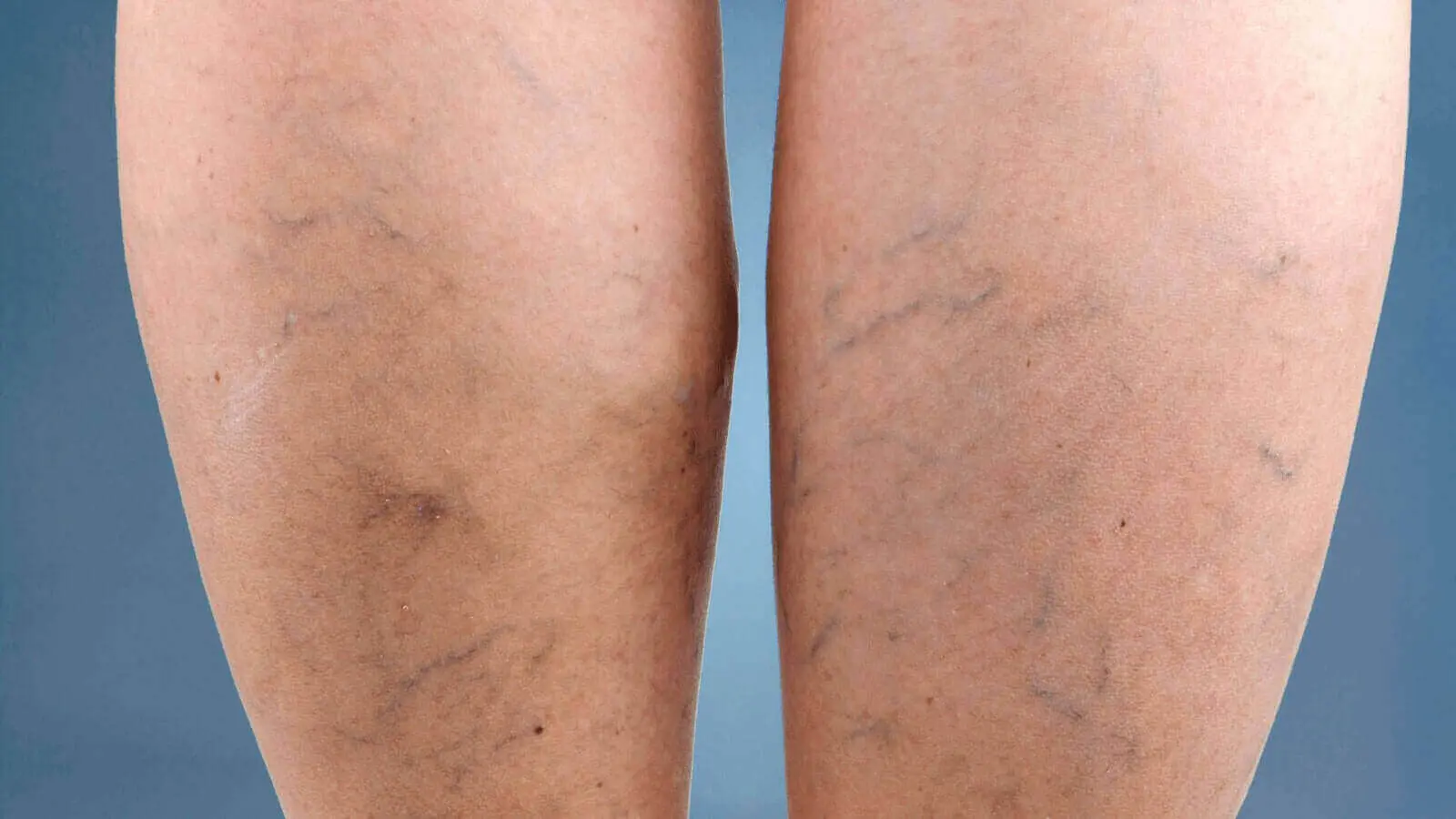
Varicose veins are swollen, twisted veins that often appear on the legs. They happen when faulty valves allow blood to flow backward or pool, and this pressure causes the veins to bulge. Symptoms may include aching pain, swelling, and a feeling of heaviness. Here are some practical tips that may help you find relief:
1. Elevate Legs
Elevating your legs uses gravity to assist blood flow back toward your heart. When you elevate your legs, blood has an easier path from your lower extremities to your heart. This remedy may reduce swelling and alleviate discomfort in the legs. You can do this several times a day for relief.
Try to elevate your legs above the level of your heart for ideal results. Prop your legs up on pillows when lying down, or use a footstool when sitting for extended periods. Consistency helps manage the symptoms associated with varicose veins.
2. Exercise Regularly
Regular physical activity may improve circulation throughout your body. Low-impact exercises are especially beneficial, so try activities such as walking or swimming. These movements engage your calf muscles, which help pump blood out of your legs.
Daily movement contributes to relief from varicose veins. A brisk 30-minute walk each day is a practical starting point, and it helps get your blood moving. If you sit or stand for long periods at work, take frequent breaks to stretch and walk around. Small changes in your routine may support your circulation:
- Point and flex your feet to activate calf muscles.
- Extend one leg and hold it briefly.
- Lie on your back and move your legs as if pedaling a bike.
These exercises promote blood flow while you are seated or resting.
3. Wear Compression Stockings
Compression stockings apply gentle pressure to your legs. This pressure supports your veins, and it helps blood move more efficiently toward your heart. They are available in different pressure levels, which a healthcare provider can help you select.
The stockings work by squeezing the leg tissues and the walls of the veins. This helps the valves inside your veins function more effectively, although the stockings only provide support while you wear them. Put them on in the morning before you get out of bed. They are used as a tool to manage discomfort caused by veins.
4. Lose Weight
Carrying extra weight places more pressure on your veins. This increased pressure can strain the valves, which contributes to the development of varicose veins. Losing weight reduces this strain, and it may ease your symptoms. A balanced diet and regular exercise support weight management goals.
Get Treated for Varicose Veins
While these tips can offer temporary relief, they do not cure varicose veins. Medical treatments are available that address the underlying cause. If you continue to experience pain or your symptoms worsen, speaking with a specialist is a proactive next step. A vein specialist can provide a diagnosis and explain your treatment options. To explore personalized solutions for your vein health, schedule a consultation with a qualified professional today.