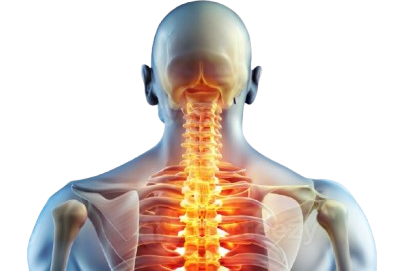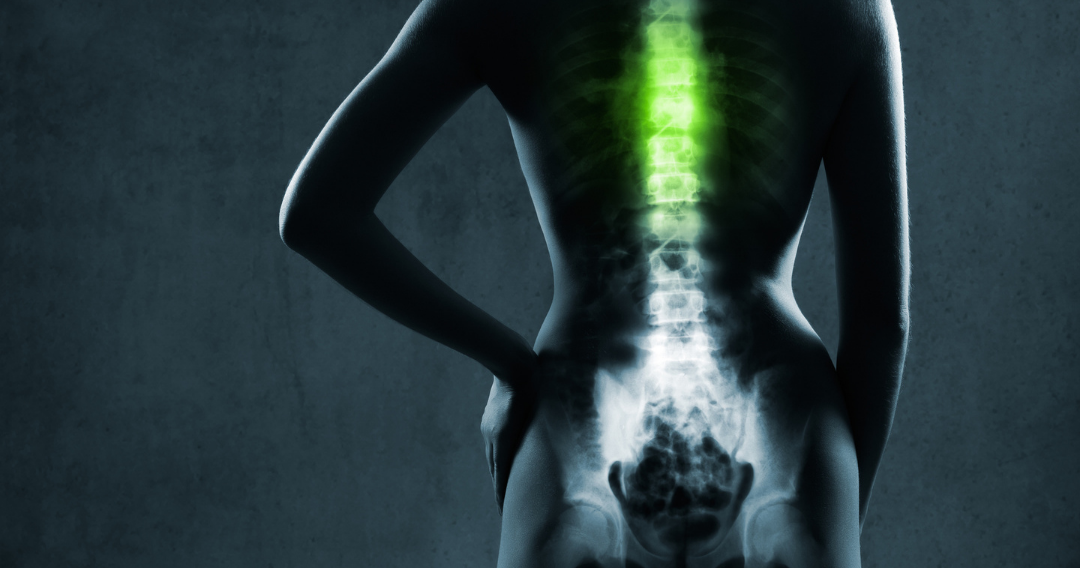
Orthopedic specialists are medical doctors who focus on the musculoskeletal system, and this includes bones, joints, ligaments, tendons, and muscles. After a car accident, even if you don’t have symptoms, injuries to these areas may have occurred. Seeking a specialist’s evaluation provides a focused assessment of your musculoskeletal health, which is a practical first step. Here are some reasons to see a specialist after a car accident:
Injuries May Not Be Obvious
Some car accident injuries do not show immediate symptoms. While you may initially feel only minor soreness, underlying damage may still be present. Adrenaline from the accident often masks pain, so you might not notice an injury until hours or days later. An orthopedic specialist knows which specific signs to look for, and they perform targeted examinations to identify issues that are not apparent to an untrained eye.
Conditions Can Worsen
Minor aches can develop into more serious problems if left unaddressed. A small tear in a ligament might not seem like a major issue, but without proper care, it may worsen over time and affect joint stability. Promptly seeing a specialist helps document the injury’s initial state. This documentation provides a baseline for tracking any changes, which allows for timely intervention if the condition deteriorates.
Ignoring symptoms can lead to chronic pain or long-term mobility issues. What starts as a stiff neck could become a persistent problem, so getting an early evaluation is a proactive measure. While a primary care doctor provides general care, orthopedic specialists offer focused expertise on the musculoskeletal system. This specialized knowledge is beneficial for assessing accident-related injuries accurately.
First Day Reveals More Information
The 24 hours following an accident often reveal more about your physical state. Swelling and stiffness may increase as the initial shock wears off. New pains might surface in different areas of your body, and these symptoms give more clues about potential injuries. Observe how your body feels during this period, paying close attention to any changes or sensations you notice. Some delayed symptoms to watch for include:
- Pain that intensifies
- Numbness or tingling sensations
- Range of motion limitations
- Headaches or dizziness
An orthopedic specialist uses this information from the first day to guide their examination. Reporting these new or worsening symptoms helps them form a more complete picture by providing key information. This process helps identify the source of your discomfort, so you can address it more effectively.
Professional Guidance Is Needed
Navigating recovery after a car accident requires expert direction. An orthopedic specialist assesses patients through physical exams and diagnostic imaging, such as X-rays or MRIs, when necessary. They use this data to explain the nature of any diagnosed injuries, and this helps you understand your body’s condition.
Based on their findings, they will discuss a potential course of action. Following a professional’s guidance gives you a structured path forward. You can receive information about your specific injuries, and this knowledge enables you to take appropriate next steps for your health.
Find Orthopedic Specialists Near You
Even without obvious signs of harm, a thorough check-up is a logical step after a car injury. An orthopedic specialist has the specific training to evaluate the complex network of bones, muscles, and joints that a collision may affect. They identify issues that general examinations might miss, so you get a complete understanding of your condition. If you have been in a car accident, schedule an appointment with an orthopedic specialist for a comprehensive evaluation.