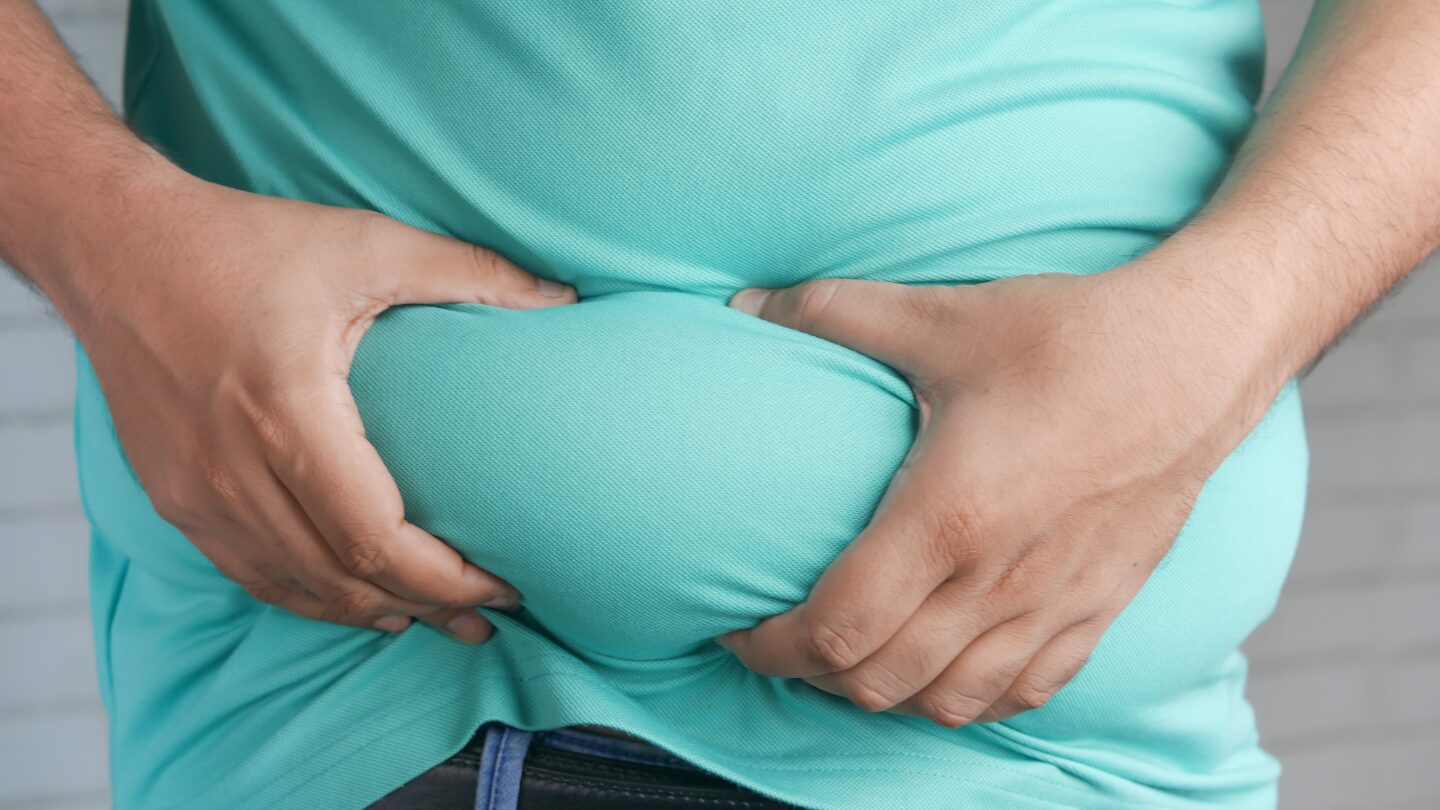
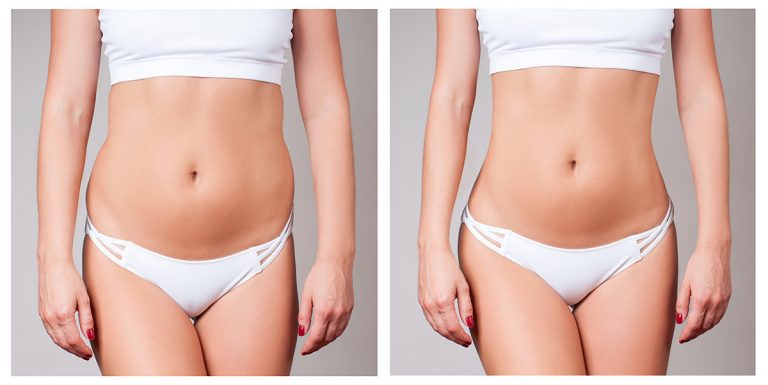
Cosmetic surgery can help refine the body’s shape after weight changes, and it offers several procedures to target different areas. Understanding these options is beneficial for anyone evaluating this path. Here is more information on cosmetic surgery, standard procedures, and what is involved in a tummy tuck:
What Is Cosmetic Surgery?
Cosmetic surgery is a medical discipline focused on enhancing appearance through surgical and medical techniques. These procedures are elective, so they are performed based on a patient’s desire to change their physical appearance. The primary goal is to achieve aesthetic improvement, addressing areas affected by weight loss, aging, or genetic factors. These procedures differ from reconstructive surgery, which is performed to correct functional impairments or reconstruct abnormal body structures.
What Are the Different Types?
Several types of cosmetic surgery are available, each designed to address specific areas of the body. For individuals who have lost a significant amount of weight, body contouring procedures are particularly beneficial. These procedures are designed to remove excess skin and fat, thereby improving the shape and tone of the underlying tissue that supports both fat and skin.
Common procedures after major weight loss include:
- Abdominoplasty (Tummy Tuck): This procedure removes excess fat and skin from the abdominal area, and it can also tighten the muscles in the abdominal wall.
- Brachioplasty (Arm Lift): An arm lift reshapes the under portion of the upper arm, from the underarm region to the elbow, and it reduces excess skin and fat.
- Thigh Lift: A thigh lift procedure reshapes the thighs by removing excess skin, resulting in smoother, better-proportioned contours.
- Mastopexy (Breast Lift): This surgery raises and firms the breasts by removing excess skin and tightening the surrounding tissue.
What Does a Tummy Tuck Involve?
A tummy tuck is a surgical procedure that creates a smoother and firmer abdominal profile. The procedure is performed under general anesthesia, typically requiring an incision made low on the abdomen, just above the pubic hairline. The length of the incision depends on the amount of excess skin, so the surgeon will determine the exact placement during the consultation.
During the procedure, the surgeon removes loose skin and fat, and the underlying abdominal muscles may be tightened to achieve a more toned appearance. The remaining skin is then repositioned, and a new opening for the navel may be created. Recovery from a tummy tuck is a gradual process, and patients are typically advised to avoid strenuous activity for several weeks.
What Are the Benefits?
Removing excess skin can make exercise more comfortable, and it helps reduce issues such as skin irritation and rashes that occur in skin folds. Clothing has the potential to fit better, which allows individuals to wear a wider range of styles. Patients may experience an increased sense of self-image after their procedure, which helps improve their overall quality of life. The results can be long-lasting, especially when paired with a stable weight and a healthy lifestyle.
Explore Cosmetic Surgery Today
Cosmetic surgery offers a range of options for individuals who have lost a significant amount of weight. Procedures like a tummy tuck, arm lift, and breast lift are designed to remove excess skin and create smoother contours. If you are thinking about cosmetic surgery after your weight loss, consult with a board-certified plastic surgeon. A surgeon can evaluate your individual case, discuss your goals, and recommend a treatment plan tailored to your specific needs.