Proper wound care is fundamental to healing and preventing infection, especially after surgery, injury, or chronic conditions such as diabetes. A professional wound care appointment provides personalized treatment to help your body recover safely and effectively. Here’s what you can expect during a wound care appointment:
Evaluation and Medical History
During the initial evaluation, the wound care specialist will perform a thorough examination of your wound to assess its size, depth, and overall condition. This involves documenting key details, including signs of infection, tissue viability, and drainage. The specialist will evaluate the surrounding skin and other factors that may impact the healing process, such as circulation.
The specialist will also take a detailed medical history to identify underlying factors contributing to the wound. Questions about chronic illnesses, medications, lifestyle habits, and prior treatments will help the specialist understand the wound’s origin and potential barriers to healing. Diagnostic tests such as blood work, imaging, or vascular studies may be recommended to gain further insights.
Wound Cleaning, Dressing, and Protection
After the initial assessment, the next step is to prepare the wound for treatment. This process involves several actions to promote healing. Here are the key steps:
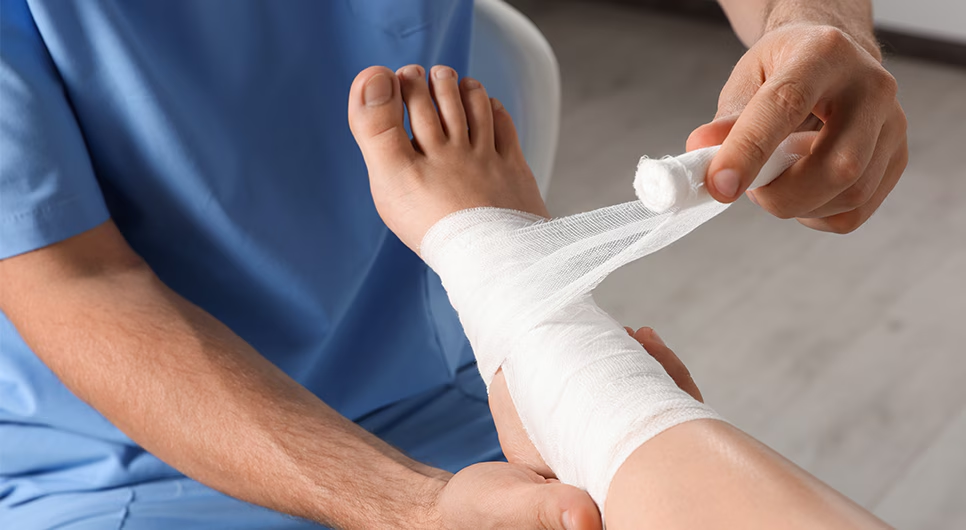
- Cleaning: The provider will carefully clean the wound to remove any debris or bacteria. This is a key step in preventing infection and creating a healthy environment for healing.
- Dressing: A special dressing will be applied to the wound. The type of dressing used depends on the wound’s specific characteristics, such as its location and drainage volume.
- Protection: The dressing protects the wound from further injury and contamination. It is a fundamental component of proper wound management.
Properly cleaning and dressing the wound are helpful measures to support healing and prevent complications.
Treatment Options
Depending on the nature of your wound, your provider may contemplate advanced treatments. These options help to address underlying issues that may be slowing down the healing process. Here are some advanced treatment options they may suggest:
- Debridement: The removal of dead or infected tissue from the wound bed to help healthy tissue grow.
- Compression Therapy: If the wound is due to venous insufficiency, compression stockings or bandages may be used to improve blood flow.
- Specialized Dressings: There are many types of advanced wound dressings, including those that contain medication to fight infection or promote cell growth.
These advanced treatments are often used in combination with standard wound care to achieve the best possible outcomes.
Education and Follow-Up Care
A large part of your appointment will be dedicated to education. Your provider will explain how to care for your wound at home, including how to change the dressing and the signs of infection to watch for. They will provide clear instructions that will help you manage your wound between visits. Follow-up care is also a fundamental aspect of your wound treatment plan. You will have scheduled appointments to monitor the wound’s progress and make necessary adjustments to your treatment.
Book Your Wound Care Appointment
A wound care appointment involves a comprehensive approach to wound management, from initial evaluation to advanced treatment and ongoing education. Understanding these steps helps you prepare for your visit and plays an active role in your healing journey. Contact a wound care specialist near you to book your appointment today.