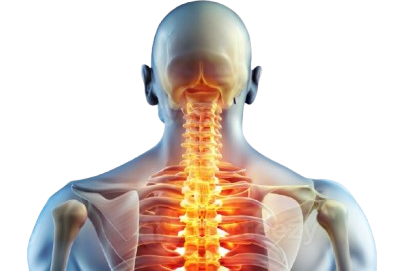

Joint replacement is a surgical procedure that relieves pain and restores function in damaged or worn joints, most commonly the hips and knees. For individuals living with chronic joint pain or limited mobility, this procedure can offer a significant improvement in comfort and overall well-being. Here’s a closer look at the role of joint restoration procedure in improving quality of life:
Joint Replacement Overview
A joint replacement is a surgical procedure where a damaged or arthritic joint is removed and replaced with an artificial implant, or prosthesis. This joint restoration procedure is recommended when non-surgical treatments no longer provide relief. The primary goal of arthroplasty is to relieve pain, restore joint function, and improve mobility.
During the surgery, the surgeon removes damaged cartilage and bone from the joint. The artificial joint, typically made of metal, plastic, or ceramic, is then fitted to the bone. There are two common types of joint replacement: the knee and hip. The procedure can also be performed on other joints, such as the shoulder, elbow, and ankle.
Candidates for Joint Surgery
A variety of individuals may find relief through a joint restoration procedure. The following are suitable candidates for this surgery.
- People with chronic joint pain that does not respond to conservative treatments.
- Those who experience limited mobility that interferes with daily activities, such as walking or climbing stairs.
- Individuals with joint damage from arthritis, fractures, or other conditions.
- People whose joint stiffness and pain disrupt their sleep.
Contemplating surgery is a significant decision. A thorough evaluation by an orthopedic specialist is a fundamental step in determining whether arthroplasty is the appropriate course of action.
Benefits of Improved Mobility
The benefits of joint replacement surgery can be life-changing for many individuals. Here are several ways this procedure can improve your well-being:
- Significant pain relief, often eliminating chronic discomfort.
- Improved mobility and range of motion in the affected joint.
- The ability to return to low-impact activities and hobbies.
- Increased independence and a reduced need for assistive devices.
- Pain relief leads to improved mental and emotional well-being.
These improvements collectively contribute to an active and fulfilling lifestyle, allowing patients to regain control over their physical well-being.
Recovery and Long-term Outcomes
Recovery from a joint replacement procedure is a gradual process that requires active patient participation. Physical therapy is a key component of successful recovery and usually begins shortly after surgery. The goal of physical therapy is to strengthen the muscles around the new joint and improve the range of motion. It also aims to help you return to your normal activities safely. Following your surgeon’s instructions and adhering to the rehabilitation plan are fundamental for long-term success. While recovery times vary, most patients experience a significant reduction in pain within a few weeks. People can also resume many of their daily activities within a few months.
Consult a Joint Replacement Specialist
Joint replacement surgery is an effective treatment for relieving chronic joint pain and restoring mobility. This joint restoration procedure allows individuals to reclaim an active lifestyle free of discomfort by replacing a damaged joint with a new prosthesis. If you are experiencing persistent joint pain that impacts your quality of life, contact an arthroplasty specialist near you to schedule a consultation today.