Sciatica is a common condition that causes pain, numbness, or tingling that radiates from the lower back down through the leg. It often results from irritation or compression of the sciatic nerve and can makes daily activities difficult. While severe cases may require medical treatment, many people find relief through at-home care and lifestyle adjustments. Here are some effective strategies for managing sciatica pain at home:
Understanding What Causes Sciatica
Sciatica occurs when the sciatic nerve becomes pinched or irritated. The sciatic nerve is the longest nerve in your body, running from your lower back down to your feet. Compression of this nerve causes pain and other sensations along its path.
A herniated disc is a frequent cause of sciatica. This happens when one of the soft, rubbery discs that cushion the vertebrae in your spine bulges or breaks open, pressing on the nearby sciatic nerve. Spinal stenosis, which is a narrowing of the spinal canal, can also put pressure on the nerve. Other causes include bone spurs (overgrowths of bone), degenerative disc disease, or, in rare cases, tumors. Understanding the underlying cause is a key step toward effective management.
Practicing Gentle Stretches for Relief
Engaging in gentle physical activity can help alleviate sciatic nerve pain. Movement helps to strengthen the muscles that support your spine and improves flexibility, which reduces pressure on the sciatic nerve. Inactivity often worsens pain; incorporating specific stretches and low-impact exercises into your routine can provide substantial relief.
Contemplate starting with simple stretches targeting the lower back and hamstrings. For instance, the knee-to-chest stretch stretches the lower back muscles. Pelvic tilts are another helpful exercise for strengthening the core and stabilizing the lumbar spine. Always perform exercises slowly and stop if you feel any sharp pain. Low-impact aerobic activities, such as walking or swimming, are also beneficial for improving circulation and reducing inflammation without straining your back.
Trying Home Remedies
Along with exercise, several home remedies can help manage sciatica symptoms effectively. Here are some techniques you may find helpful:
- Heat and Ice Therapy: Applying a cold pack to the painful area for up to 20 minutes can help reduce inflammation and numb the pain. After a few days, switch to a heating pad to relax tight muscles and increase blood flow to the area.
- Over-the-Counter (OTC) Pain Relievers: Nonsteroidal anti-inflammatory drugs (NSAIDs) can decrease pain and inflammation. Consult your healthcare provider for guidance.
- Mindful Posture: Pay attention to your posture when sitting, standing, and lifting. Use chairs that support your lower back, and keep your feet flat on the floor.
These self-care practices provide temporary relief and support your recovery process.
Seeking Expert Care
While home care is often effective, certain symptoms may require a professional evaluation. It is helpful to seek medical attention if your pain is severe or does not improve. Here are some signs that warrant a visit to a doctor:
- Severe or Worsening Pain: If your pain is debilitating or worsening despite home care, a doctor can provide a diagnosis and advanced treatment options.
- Symptoms Lasting Long: Sciatica often resolves within a few weeks, but if your symptoms persist, professional evaluation is necessary.
- Weakness or Numbness: If you experience significant weakness, numbness, or tingling in your leg or foot, it may signal serious nerve compression.
- Loss of Bladder or Bowel Control: This is a rare but serious symptom that requires immediate medical attention.
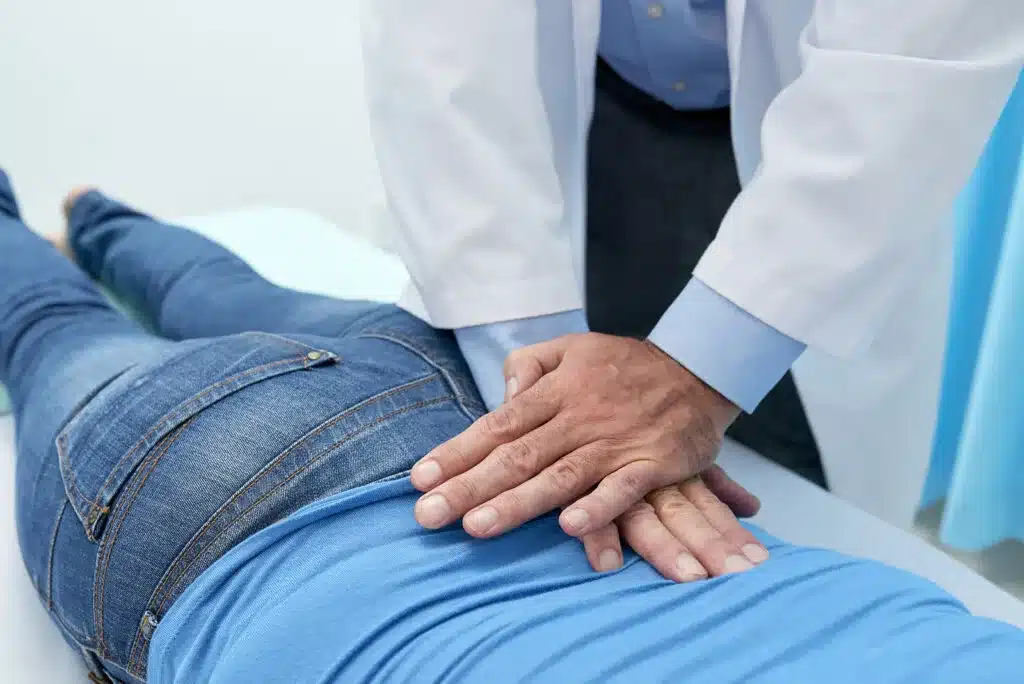
A doctor performs a physical exam and orders imaging tests to determine the cause of your sciatica.
Consult a Sciatica Specialist Today
Managing sciatica at home involves a combination of gentle exercise, self-care techniques, and knowing when to seek professional help. Understanding the causes of lumbar radiculopathy is fundamental for managing the condition effectively. Applying these strategies helps you take active steps to alleviate sciatic nerve pain and improve mobility. If your symptoms persist or worsen, contact a pain management specialist near you to schedule your consultation today.