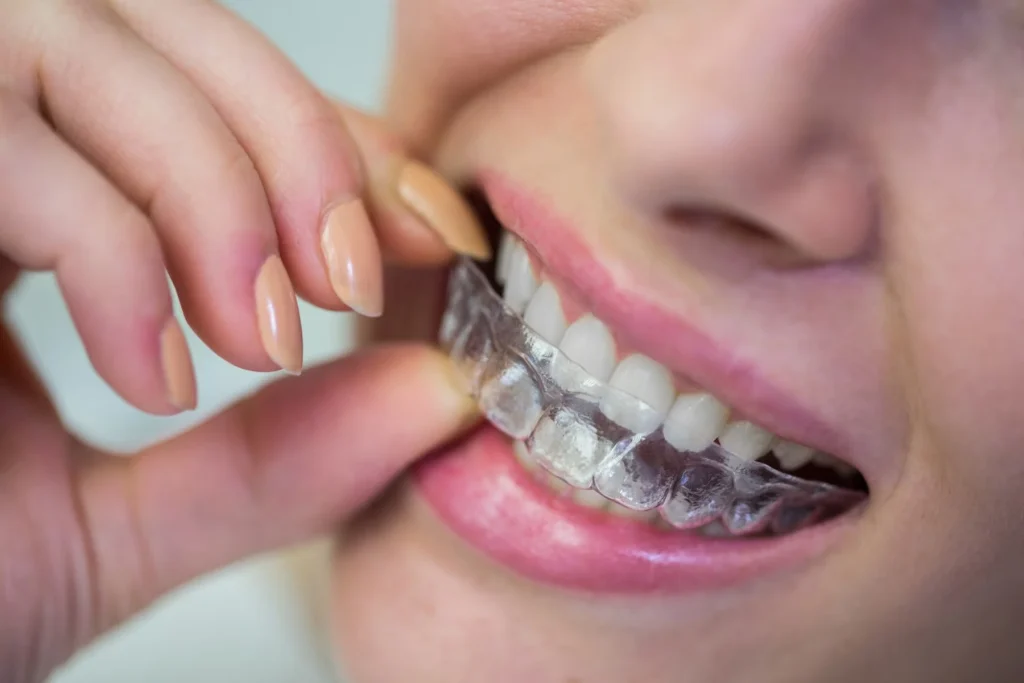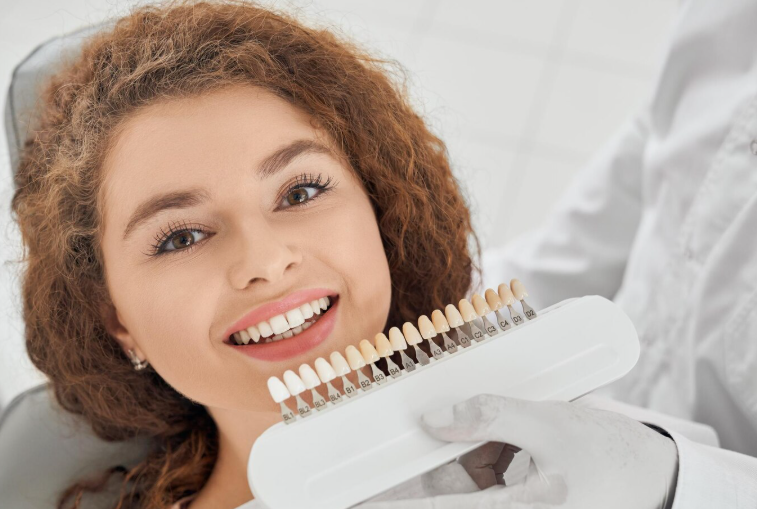
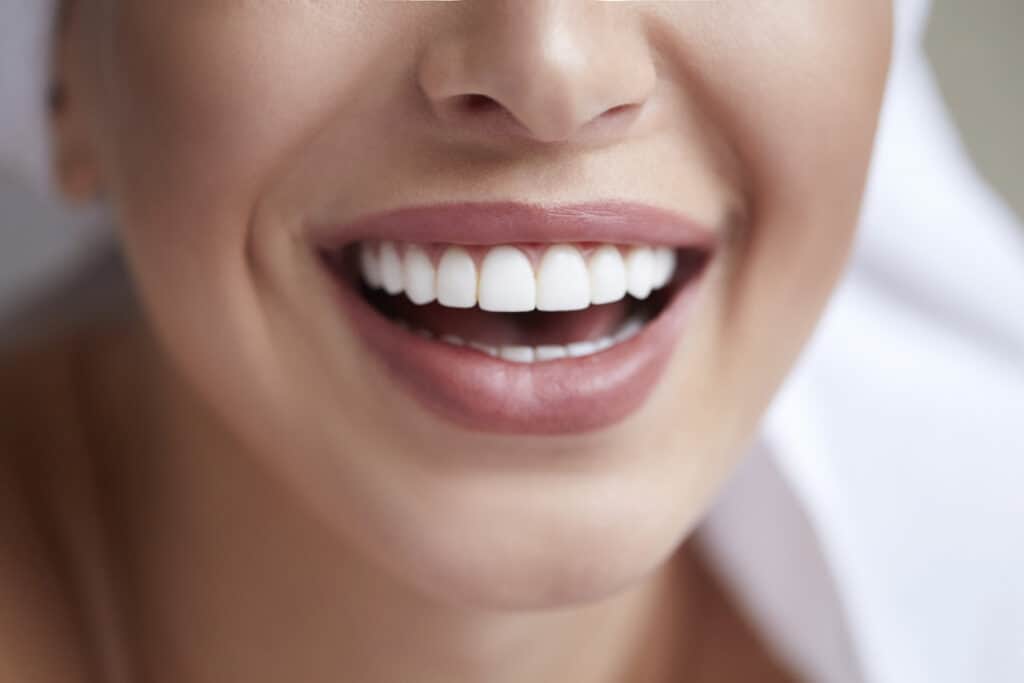
Cosmetic dentistry provides various methods for altering the appearance of teeth, and dental veneers are one such solution. These custom-made applications are designed to fit over the front surface of teeth, offering a way to modify their color, shape, size, or length. Understanding how veneers function and what they can accomplish helps individuals make informed decisions about their dental care in consultation with a qualified professional.
What Are Veneers?
Veneers are thin, shell-like coverings crafted from either porcelain or composite resin materials. A dentist bonds these shells to the visible front surface of one or more teeth. The primary purpose of veneers is to address cosmetic concerns, improving the aesthetic quality of a smile. They are not designed to correct underlying structural or oral health problems but rather to mask superficial imperfections.
The process typically involves preparing the tooth surface to accommodate the veneer’s thickness. This preparation can allow the veneer to sit flush with the gum line and surrounding teeth, creating a natural-looking result. Each veneer is custom-fabricated to match the desired appearance, whether that involves altering a single tooth or redesigning an entire smile.
What Do They Address?
Veneers are a versatile option in cosmetic dentistry. They can be used to address a range of cosmetic dental issues. A dentist may recommend them for patients looking to improve the appearance of:
- Chips and Cracks: Minor chips or cracks on the surface of teeth can be effectively concealed with veneers, restoring a smooth and complete look.
- Stains or Discoloration: For teeth with deep-set stains that do not respond well to professional whitening treatments, veneers can provide a uniformly bright and consistent color.
- Malformed or Uneven Teeth: Teeth that are misshapen, worn down, or slightly uneven in size or length can be reshaped with veneers to create a more harmonious smile line.
- Small Gaps: Veneers can be fabricated to close minor spaces or gaps between teeth, offering a non-orthodontic solution for certain cases.
A thorough dental examination is necessary to determine if this treatment is a suitable approach for these specific concerns.
What Are the Benefits?
When properly placed and maintained, veneers offer several advantages for individuals seeking cosmetic enhancement. One of the main benefits is the ability to achieve a refined dental appearance. Veneers can create a brighter, more symmetrical smile that looks natural.
They provide excellent coverage for stains and discoloration, offering a lasting solution for teeth that have been resistant to whitening. For teeth with minor chips, veneers not only cover the damage but also provide a protective barrier against further damage. This helps to shield the compromised area from food debris and bacteria.
Home care for veneers is straightforward and does not require a special routine. Maintaining them involves the same oral hygiene practices recommended for natural teeth, including regular brushing and flossing. With good care and routine dental check-ups, veneers are designed to be a long-lasting cosmetic solution.
Speak Further With Your Dentist
If you are interested in learning more about veneers, the next step is to schedule a consultation with your dentist. A professional evaluation is the only way to determine your candidacy for this procedure. During this appointment, you can discuss your aesthetic goals and receive a comprehensive examination of your oral health. You can also inquire about other cosmetic alternatives that may suit your needs, such as teeth whitening or orthodontic treatments, to gain a comprehensive understanding of all available options.