
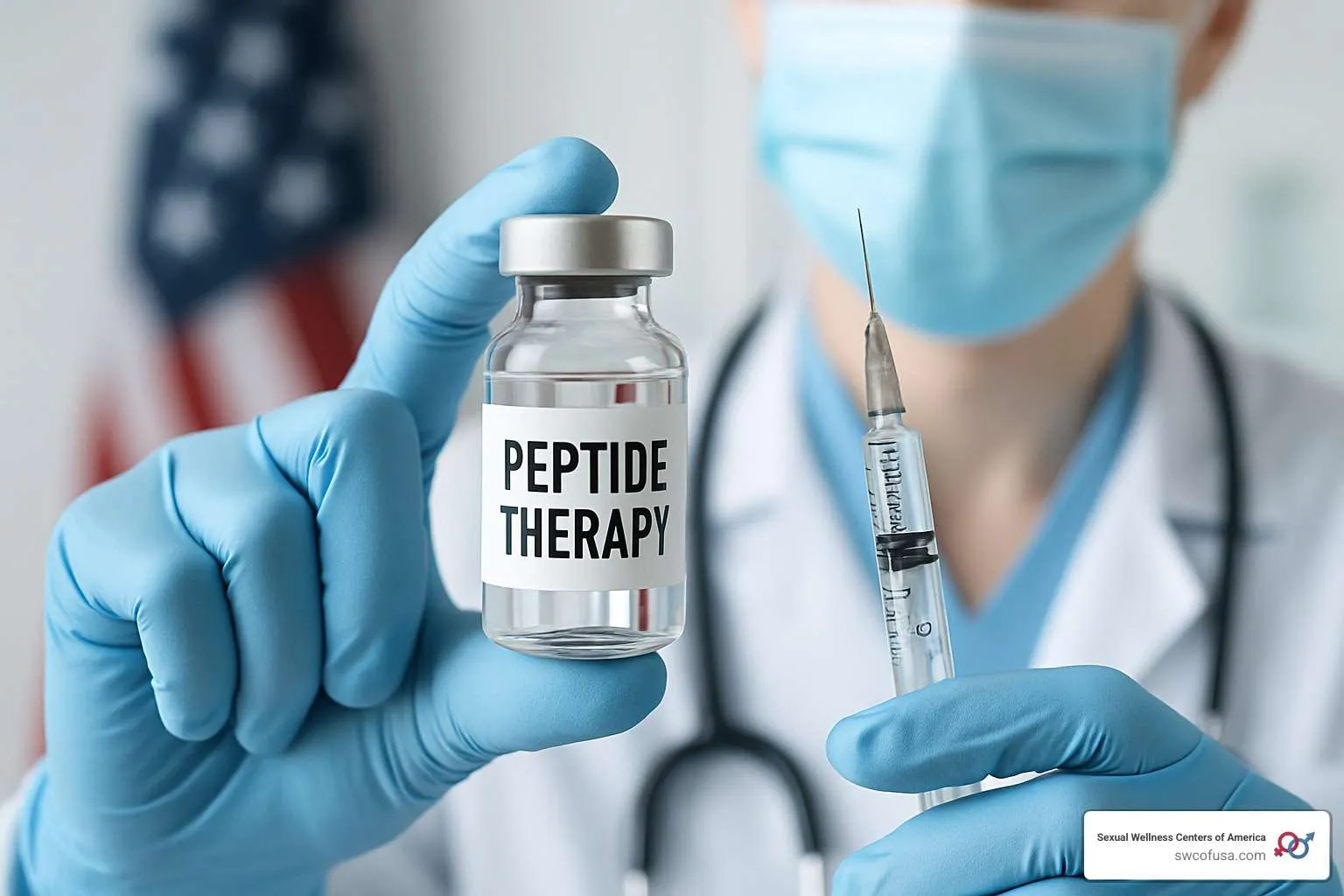
Innovations in wellness are continuously providing new avenues for individuals to support their health goals. Among these advancements, peptide therapy has emerged as a treatment option. It is a modality being explored within supervised wellness settings for its potential to influence various bodily functions and address adverse effects such as low energy.
What Is Peptide Therapy?
Peptides are naturally occurring biological molecules. They are short chains of amino acids, which are the fundamental building blocks of proteins. Unlike larger protein molecules, peptides are smaller and can act as precise signaling agents within the body. In a wellness context, peptide therapy involves the use of specific peptides to influence cellular functions and support the body’s own processes.
When introduced into the body through a structured wellness program, these targeted peptides may interact with specific receptors on cell surfaces. This interaction can initiate a cascade of signals, potentially modulating functions related to metabolism, recovery, and other physiological activities. The administration methods for these peptides in a wellness setting can vary.
What Are the Benefits?
The exploration of peptide therapy in wellness circles is driven by evidence of its potential to support a range of health-related goals. Individuals may seek peptide-based programs for assistance in areas from physical recovery to metabolic function. The perceived effects can differ greatly among individuals, and professional oversight helps guide their use appropriately.
Reduction of Low Energy
Some individuals experiencing low energy who utilize peptide therapy experience enhanced energy levels and improved stamina. This perceived support for vitality and recovery may be discussed in lifestyle and athletic contexts. It is worth noting that individual experiences with energy and endurance can vary, and a professional consultation is advisable to align any program with personal health circumstances.
Cognitive and Sleep Support
Another area of anecdotal interest is the potential for specific peptides to support cognitive function and sleep quality. Some users report improvements in mental focus and more restful sleep cycles while following a peptide regimen. As with other applications, these experiences are highly subjective and variable, underscoring the need for personalized programs developed with a wellness professional.
What Peptides Are Used?
A diverse array of peptides is utilized within wellness programs, each with a different profile and area of focus. The availability, protocols, and suitability of any peptide will vary based on the provider, local regulations, and an individual’s specific health status. A few examples include:
- BPC-157: Administered daily as a site-specific injectable, this peptide is being explored for its potential to support soft tissue health.
- TB-500 (Thymosin Beta-4): Typically used as a weekly systemic injectable, it is included in routines for general recovery support.
- AOD 9604: This peptide is of interest in weight management programs for its reported association with fat metabolism.
- CJC 1295 with Ipamorelin: This combination is often used together to support performance-oriented routines and fat loss goals.
- Ibutamoren (MK-677): This compound is explored for its potential to support lean muscle and is sometimes discussed in the context of longevity themes.
- PT-141: Interest in this peptide centers on its potential application for sexual wellness.
A thorough assessment is necessary before beginning any new wellness regimen.
Seek Professional Wellness Services
Peptide therapy represents a sophisticated approach within the broader landscape of modern wellness strategies. It offers a targeted way to support the body’s functions potentially. The responsible exploration of this modality occurs under the guidance of qualified wellness professionals who can ensure proper sourcing, develop individualized plans, and provide necessary oversight.