Permanent dental restorations can repair damaged or missing teeth, improving their function and appearance. If your tooth is damaged by decay, disease, or an injury, your dentist might suggest a procedure to make your smile healthy again. There are several options, and learning about them can help you choose what’s best for you. Common choices include crowns and bridges, but there are other treatments too, depending on your specific problem.
Crowns
Dental crowns are custom-made caps that restore a damaged or weakened tooth’s shape, size, strength, and appearance. Dentists create these restorations using porcelain, ceramic, or metal. They cement the crown in place, fully covering the visible part of the tooth above the gum line. Dentists often recommend crowns and bridges to repair significant decay or protect a tooth after a root canal procedure. This process offers a durable and long-lasting solution for compromised teeth.
Bridges
A dental bridge replaces one or more missing teeth by joining an artificial tooth to the adjacent teeth or dental implants. This procedure effectively “bridges” the gap that the missing tooth or teeth created, which restores your smile and maintains your facial shape. Dentists offer different types of bridges, and they will recommend the best choice depending on the location of the missing tooth and the condition of the neighboring teeth. The various types of dental bridges include:
- Traditional bridges: Your dentist creates a crown for the tooth on either side of the missing tooth, with a false tooth in between.
- Cantilever bridges: Your dentist uses this type when teeth are only present on one side of the missing tooth or teeth.
- Maryland bonded bridges: Your dentist bonds a metal or porcelain framework onto the backs of the adjacent teeth.
Implants
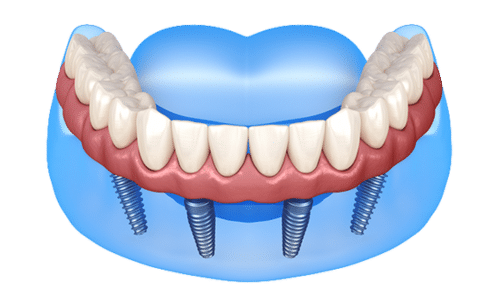
Dental implants are a surgical solution for replacing missing teeth, offering a foundation for fixed or removable replacement teeth that are made to match your natural teeth. The process involves placing a titanium post into the jawbone, which acts as a replacement for the tooth root. Over time, the jawbone fuses with the post, creating a strong and stable base for a new, artificial tooth.
The Implant Procedure
The implant process typically occurs in stages, beginning with the surgical placement of the implant post. Once the site has healed and the implant has integrated with the bone, an abutment is attached. This small connector piece securely holds the new tooth in place.
The Final Restoration
After the abutment is in place, a custom crown is made to match your other teeth in color and shape. This crown is then attached to the abutment, completing the restoration. The final result is a replacement tooth that looks, feels, and functions like a natural one.
Veneers
Veneers provide a cosmetic solution for enhancing your smile. Dentists use these custom-made applications to improve the aesthetic of your teeth:
- Thin, Custom-Made Shells: A dental professional crafts veneers from tooth-colored materials, typically porcelain or resin composite, to fit over the front surface of your teeth precisely.
- Appearance Enhancement: Dentists apply them to improve the color, shape, size, or length of teeth, effectively addressing cosmetic concerns.
- Addresses Various Concerns: Veneers correct issues such as chipped, discolored, or mildly misaligned teeth.
- Minimally Invasive: The procedure requires the removal of only minimal natural tooth structure, making it less invasive than full crowns.
Explore Options Such as Crowns and Bridges
Choosing the best dental restoration for you depends on your specific needs, the health of your teeth, and your oral health goals. Each treatment offers different advantages. It is helpful to consult with a dental professional to determine the most suitable course of action. If you are exploring a dental restoration, talk with your dentist to choose the best solution for you.