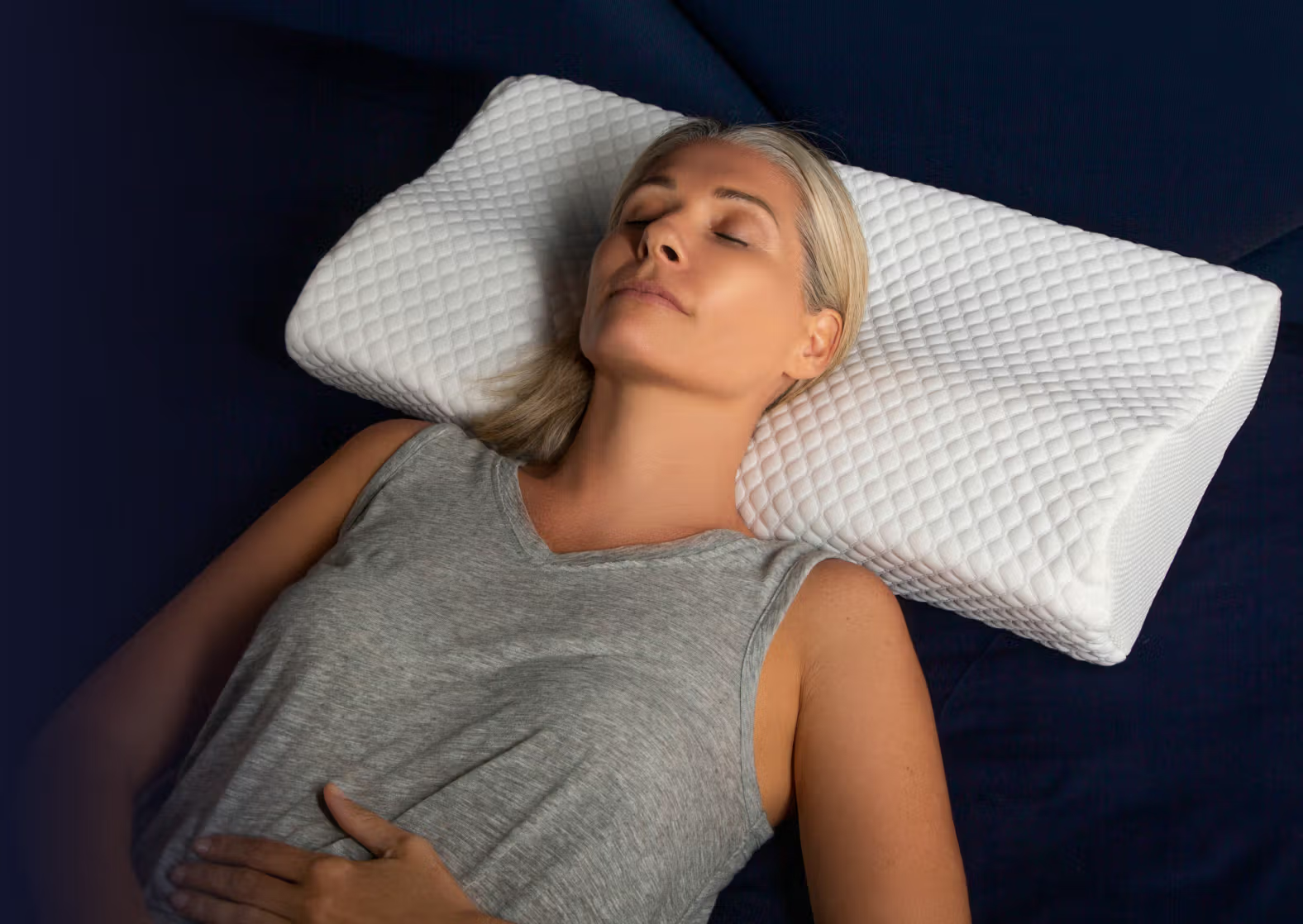

Acute back pain can significantly disrupt daily activities, affecting work and leisure. This sudden onset of discomfort in the lumbar region is a common issue, but understanding how to manage its symptoms is a step toward recovery. While severe or persistent pain requires professional evaluation, several initial measures can be taken to address the discomfort. These remedies focus on soothing muscles, reducing inflammation, supporting the spine, and gently restoring mobility.
Soothe Muscles Quickly
When acute back pain strikes, tense and spasming muscles are often a primary source of discomfort. Applying warmth can help relax these tight muscles, which increases blood flow to the affected area. A warm compress or a soak in a warm bath can provide relief from muscle-related pain. Gentle, controlled stretching may also help ease muscle tension, but it is helpful to avoid any movements that increase or cause sharp pain.
Reduce Inflammation Fast
Inflammation is a natural response to injury and a common component of acute back pain. Applying a cold pack to the affected area can help constrict blood vessels, which may reduce swelling and numb the sharp sensations associated with inflammation. To apply a cold pack correctly, follow these steps:
- Wrap a cold pack or bag of ice in a thin towel to protect your skin.
- Apply it to the most painful area of your back for 15-20 minutes at a time.
- Repeat this process several times throughout the day, especially within the first 48 hours of pain onset.
Some individuals find alternating between heat and cold offers the most comprehensive relief, as it addresses both muscle tension and inflammation.
Support Your Spine
Maintaining proper posture and providing adequate support for your spine are beneficial during a bout of acute back pain. When sitting, use a rolled-up towel or a lumbar pillow to support the natural curve of your lower back. Try to keep your feet flat on the floor with your knees at a 90-degree angle. While sleeping, lying on your side with a pillow between your knees can help align your hips, pelvis, and spine. If you prefer to sleep on your back, placing a pillow under your knees can reduce stress on the lumbar region.
Restore Mobility Safely
While rest is initially necessary, prolonged inactivity can lead to stiffness and worsen pain. Resuming normal activities as soon as possible is a key part of the recovery process.
- Start with gentle, low-impact movements, such as walking. Short, frequent walks can help improve circulation and prevent muscles from becoming deconditioned without putting excessive strain on your back.
- Listen to your body and avoid any movements that cause sharp or sudden pain.
- Gradually increase your activity level as the pain subsides, progressively returning to your usual routine.
Take Control of Your Back Pain
Addressing acute back pain involves immediate relief measures and sensible activity modification. By soothing tense muscles, managing inflammation, supporting your spine, and restoring mobility, you can aid recovery. These steps help manage discomfort and support a return to your routine. If your back pain is severe, worsens, or doesn’t improve with self-care, consult a medical expert.