Many people want to straighten their teeth for both cosmetic and functional reasons, ranging from aesthetics to teeth straightening. Achieving straighter teeth can involve various orthodontic approaches, each with distinct processes and applications. Understanding the available options is the first step.
Braces Options
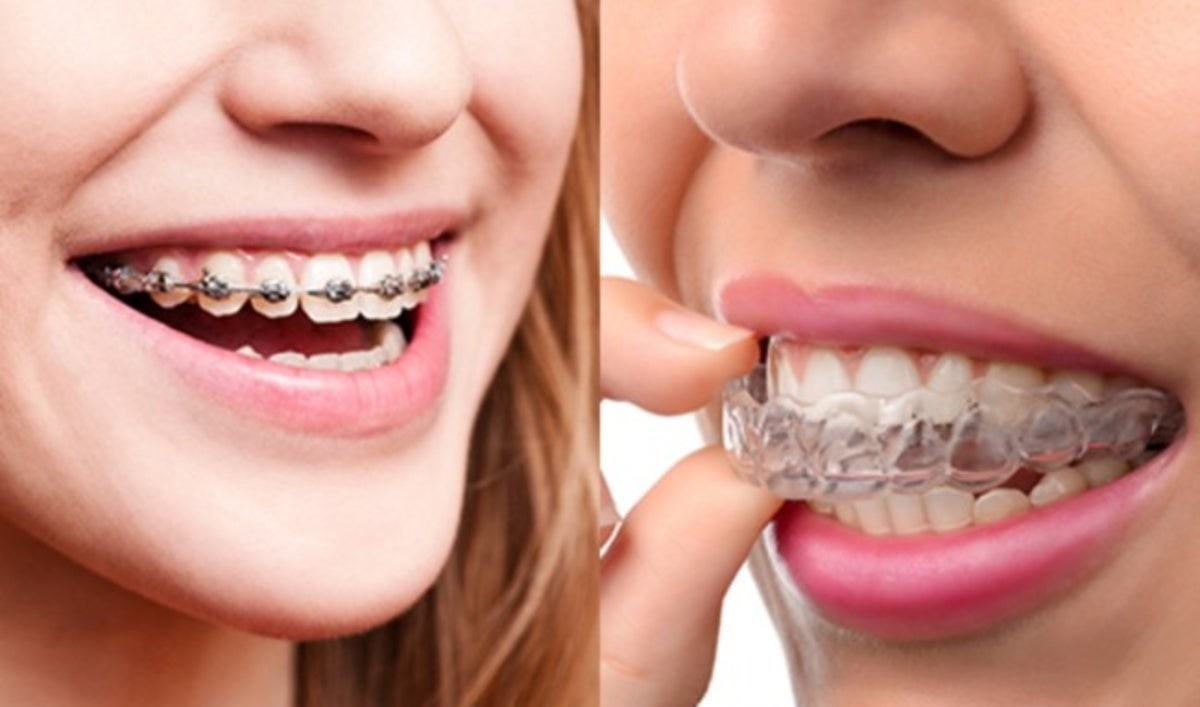
Braces are an orthodontic treatment that straightens teeth and corrects a wide range of dental alignment issues, from simple to complex. They work by applying continuous pressure to the teeth, gradually moving them into proper alignment over the course of treatment. An orthodontist attaches brackets to the teeth and connects them with an archwire, which is periodically adjusted to facilitate tooth movement. Several types of braces are available, each with different characteristics to achieve teeth straightening.
Traditional Metal Braces
Traditional metal braces remain a highly effective and widely used orthodontic solution. Their durable design allows them to address complex bite and alignment issues with precision. While they are more visible than other options, modern advancements have made them smaller and more comfortable than in the past. They are a reliable choice for achieving significant and lasting results.
Ceramic Braces
Ceramic braces provide the same functional benefits as their metal counterparts but with a focus on aesthetics. The clear or tooth-colored brackets make them less noticeable, which is a significant advantage for many patients. Although they are an effective alternative, the ceramic material can be more brittle than stainless steel, requiring careful maintenance throughout the treatment period.
Clear Aligners
Clear aligners are a modern, convenient way to straighten your teeth. They offer a discreet alternative to braces while fitting seamlessly into your lifestyle. Here’s why they’re such a convenient choice:
- Custom-made trays: Designed specifically for your teeth, aligners gradually move them into the correct position.
- Easy process: Wear each set of aligners for a week or two before switching to the next, as directed by your dentist.
- Nearly invisible: Aligners are clear, making them a subtle alternative to traditional braces.
- Removable: Take them out for eating, drinking, or brushing your teeth; no need to change your routine.
Cosmetic Straightening
Cosmetic straightening is a treatment focused on changing the alignment of the front teeth, which are the most visible when you smile. Unlike comprehensive orthodontic treatments, it does not address bite issues or the position of all teeth, making it a quicker alternative. This approach is ideal for those seeking an aesthetic solution without undergoing lengthy, full-mouth orthodontic care.
The methods used for cosmetic straightening typically involve short-term braces or aligners designed to target only the front teeth. It works well for individuals with minor crowding or spacing issues, as long as they are not seeking major adjustments to their overall bite. By focusing solely on visible teeth, this treatment offers a more efficient, less invasive option for achieving a changed smile.
Begin the Teeth Straightening Process Today
Choosing a method for teeth straightening depends on your alignment needs, lifestyle, and desired outcomes. Clear aligners offer a discreet, removable solution, while traditional and ceramic braces work well for complex cases. Cosmetic straightening is a faster option for improving the appearance of front teeth. Schedule a consultation with an orthodontist to find the best solution for you.