
An ophthalmologist is a medical professional who specializes in comprehensive eye care and is trained to perform eye surgery. Their extensive training allows them to diagnose and treat a wide range of eye diseases. They can also prescribe eyeglasses and contact lenses to correct vision problems. Here is more information on ophthalmologists, the services they provide, the conditions they treat, and the benefits of regular visits:
What Are Ophthalmologists?
Ophthalmologists are eye doctors who offer a wide range of vision services, and they specialize in the diagnosis, treatment, and management of eye diseases and vision disorders. They are trained to perform eye exams, prescribe corrective lenses, and conduct surgeries for conditions such as cataracts, glaucoma, and retinal problems. Regular visits to an ophthalmologist promote eye health.
What Services Do They Provide?
Ophthalmologists offer a full spectrum of eye care services, including both medical and surgical treatments. They provide routine vision services, including prescribing and fitting eyeglasses and contact lenses. They also conduct comprehensive eye examinations to screen for asymptomatic diseases.
Beyond routine care, these specialists perform a variety of surgical procedures, and their surgical expertise is a key differentiator from other eye care providers. Common surgeries include cataract removal and procedures to treat glaucoma. They manage the complete patient journey from diagnosis through treatment and postoperative care.
What Conditions Do They Treat?
Ophthalmologists are equipped to diagnose and treat a broad array of eye diseases and disorders. These conditions range from common issues like dry eye to more severe problems that threaten vision, so early detection is often a priority. They manage chronic diseases that require long-term monitoring and treatment.
Examples of conditions treated include glaucoma, cataracts, and macular degeneration, and they also handle diabetic retinopathy and eye trauma. They diagnose and manage infections, inflammation, and ocular tumors. Their medical training enables them to treat eye conditions associated with other health problems, such as diabetes or rheumatoid arthritis.
What Does a Visit Entail?
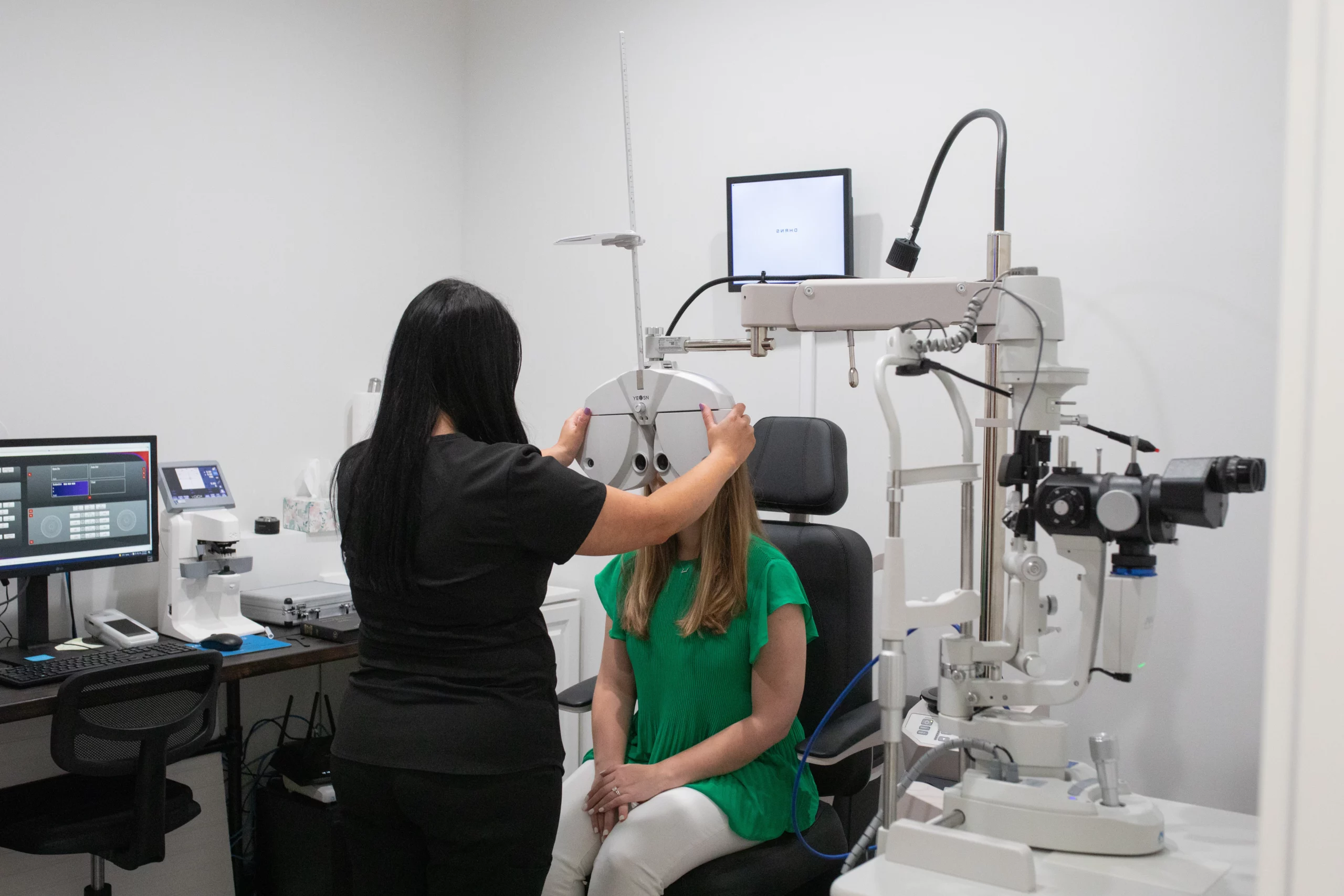
A visit to an ophthalmologist typically begins with a thorough review of your medical history, and the team will ask about any current eye problems or symptoms you are experiencing. An ophthalmic technician or assistant may perform initial tests before you see the doctor. These tests measure your visual acuity and eye pressure.
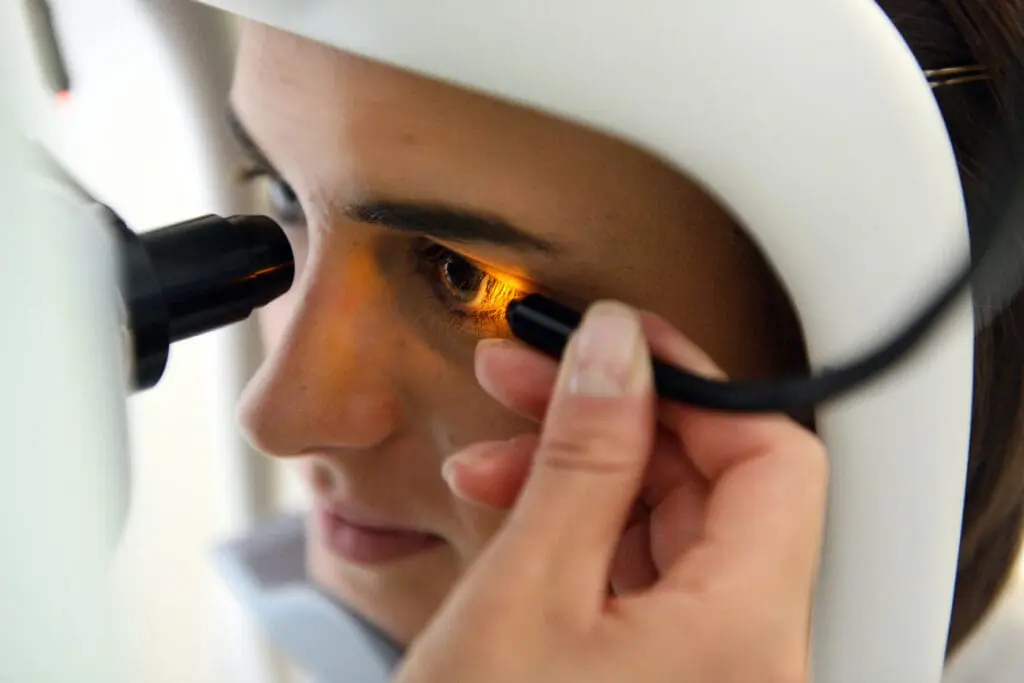
The ophthalmologist will then conduct a detailed examination of your eyes, and this may involve dilating your pupils to obtain a better view of the structures inside. They use specialized equipment to examine the front and back of your eyes. Following the examination, they will discuss their findings and recommend a treatment plan to improve your eye health.
What Are the Benefits?
Visiting an ophthalmologist provides several benefits for your long-term eye health, and their comprehensive training allows for a holistic approach to care.
- Comprehensive Medical Eye Care: They can identify and treat a wide range of eye diseases, including some that may not have obvious symptoms in their early stages.
- Surgical Treatment Options: Ophthalmologists are licensed to perform surgery, providing a complete care pathway from diagnosis to surgical intervention when needed.
- Disease Management: They manage complex eye conditions related to systemic diseases, providing comprehensive care.
Schedule an Appointment Now
Ophthalmologists provide complete medical and surgical eye care, from routine exams to complex procedures. Regular visits can help maintain your vision and detect potential problems early. If you have questions about your eye health or require a comprehensive examination, scheduling an appointment is a beneficial step. Contact an ophthalmologist today to arrange a consultation and improve your vision.